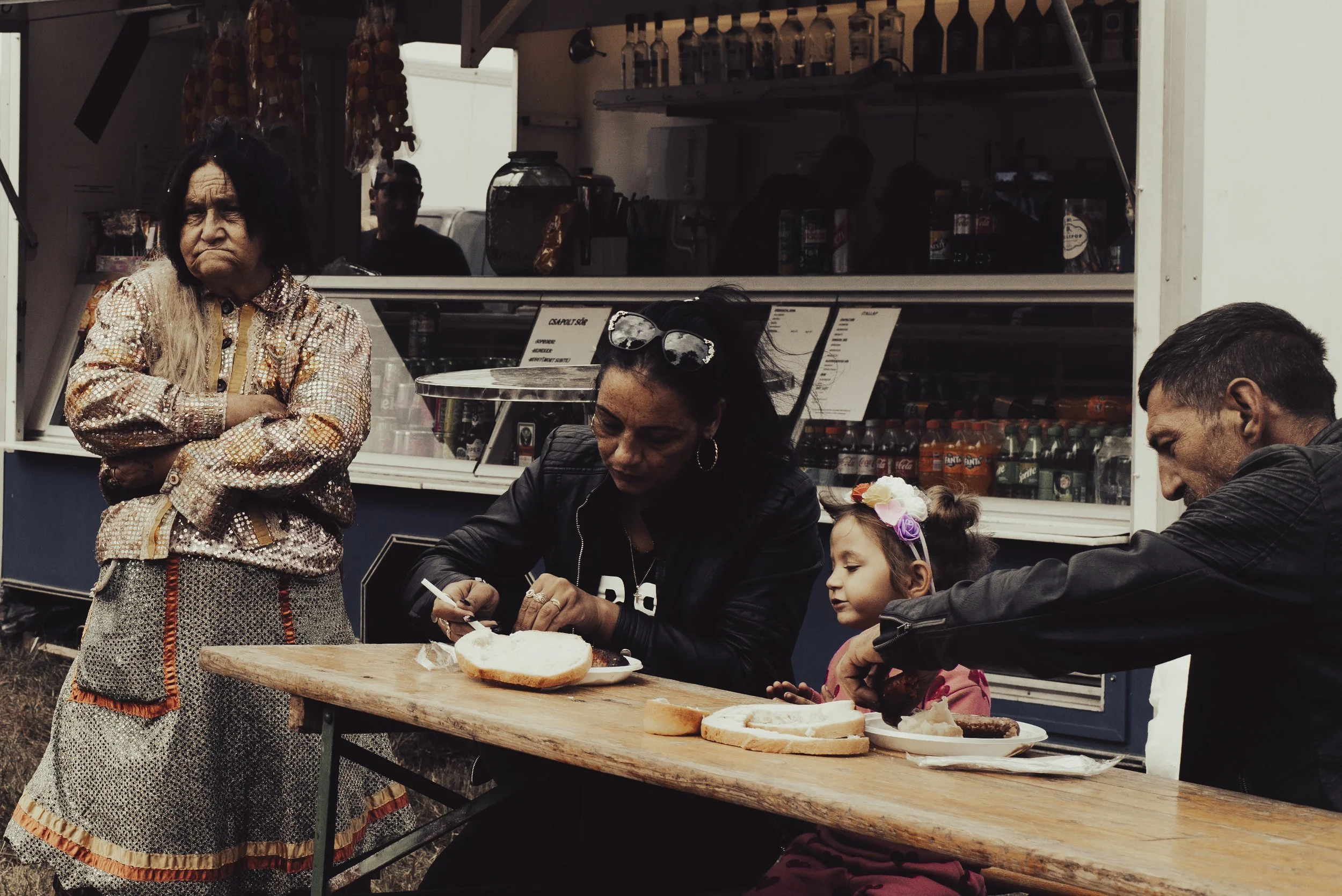
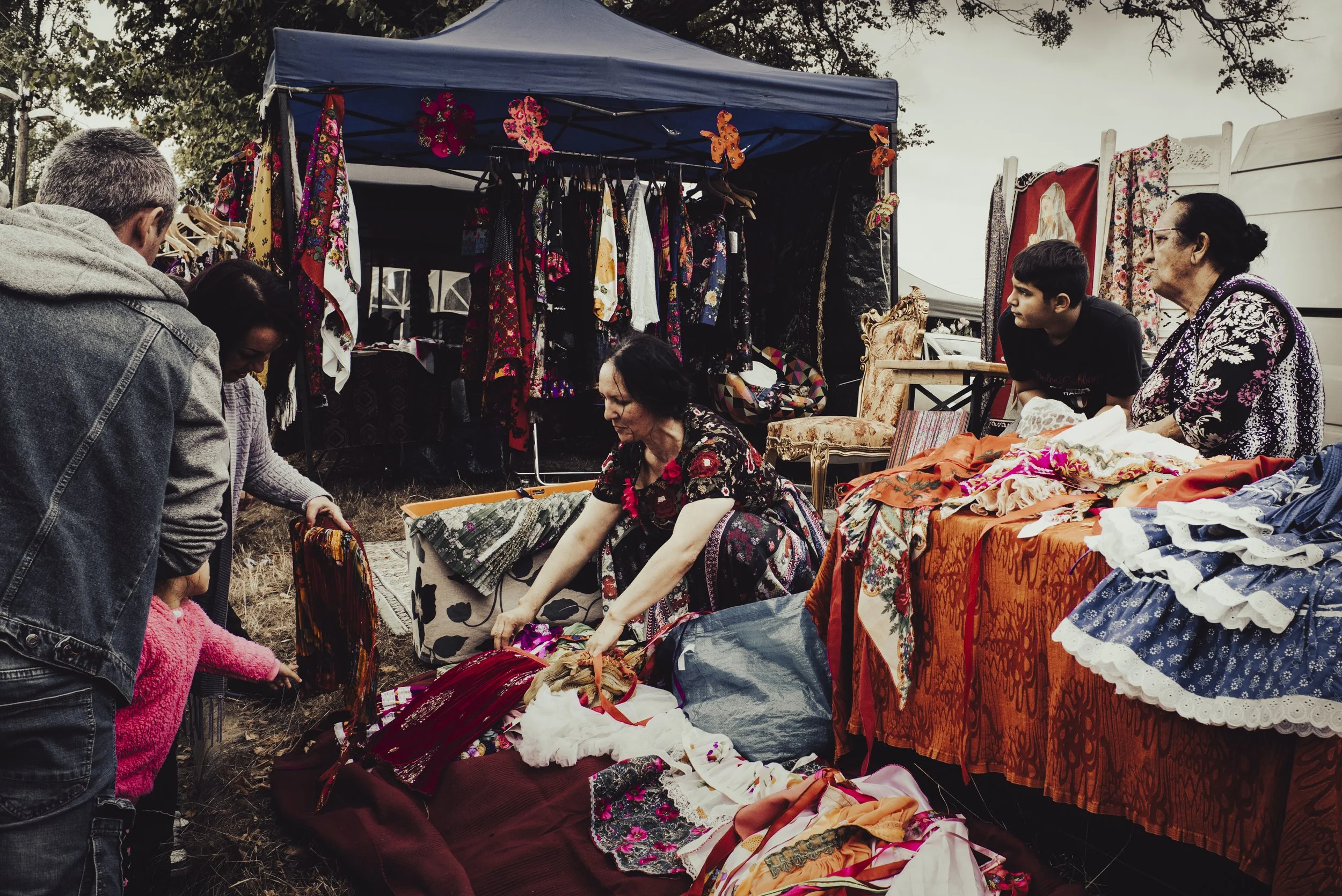
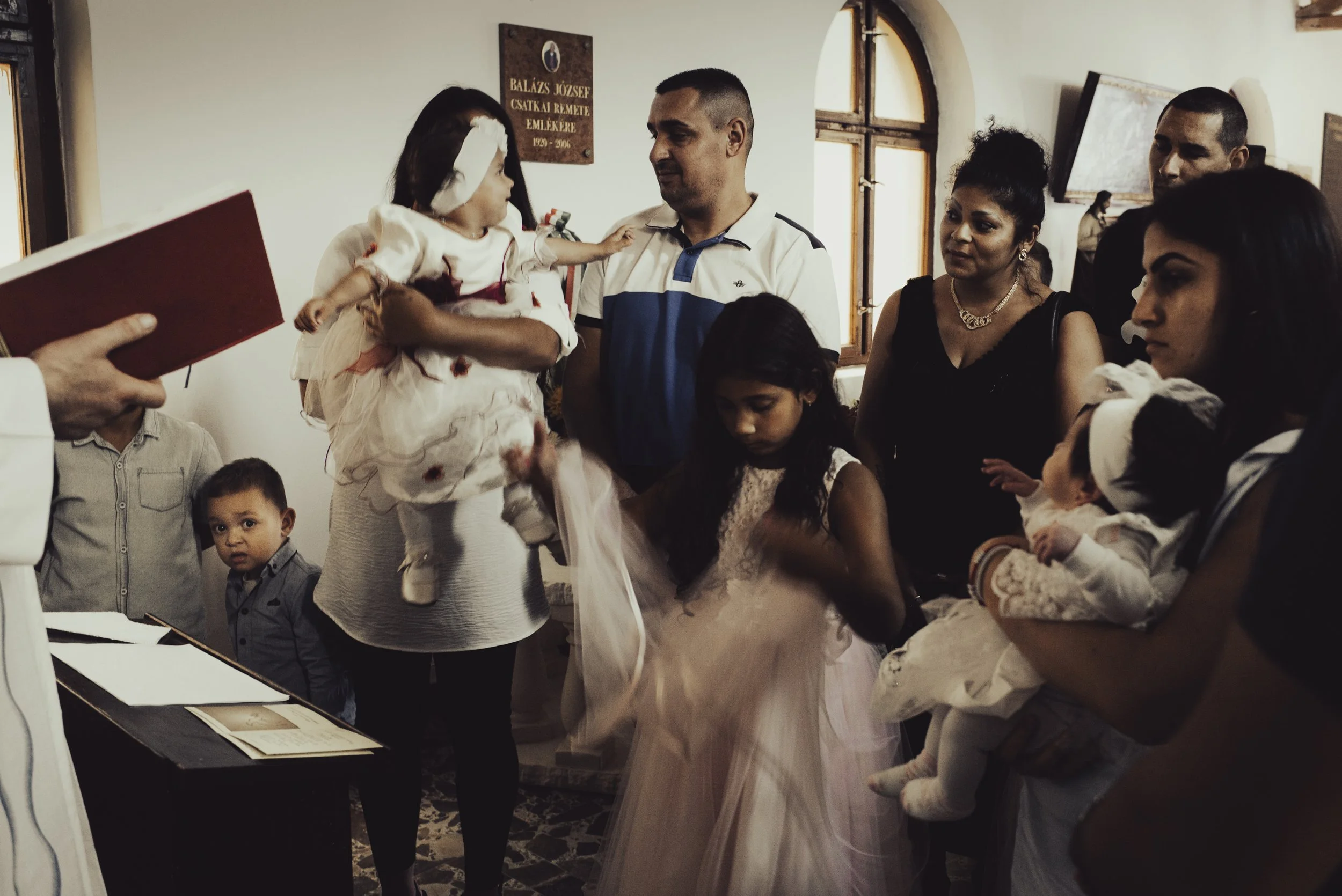
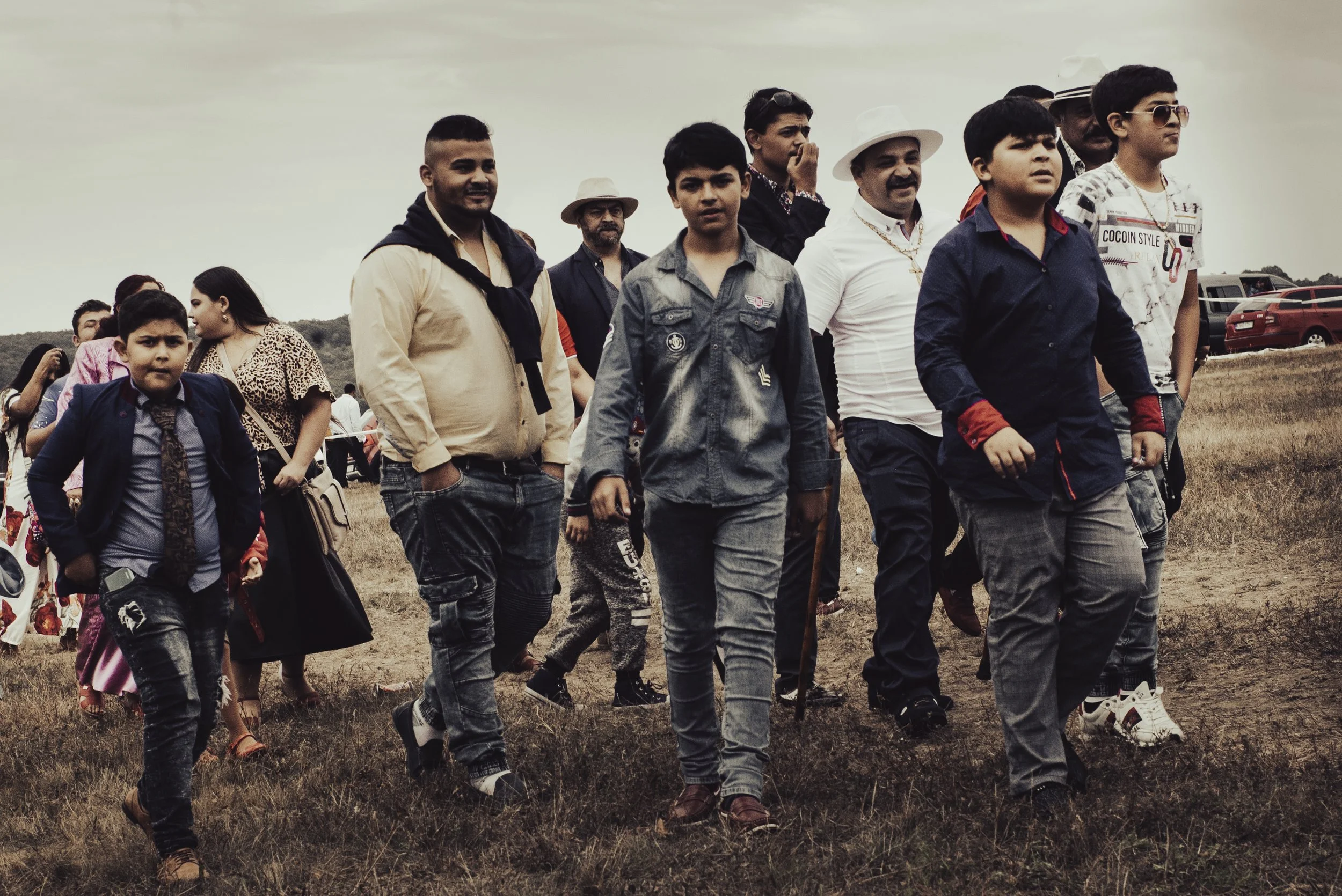
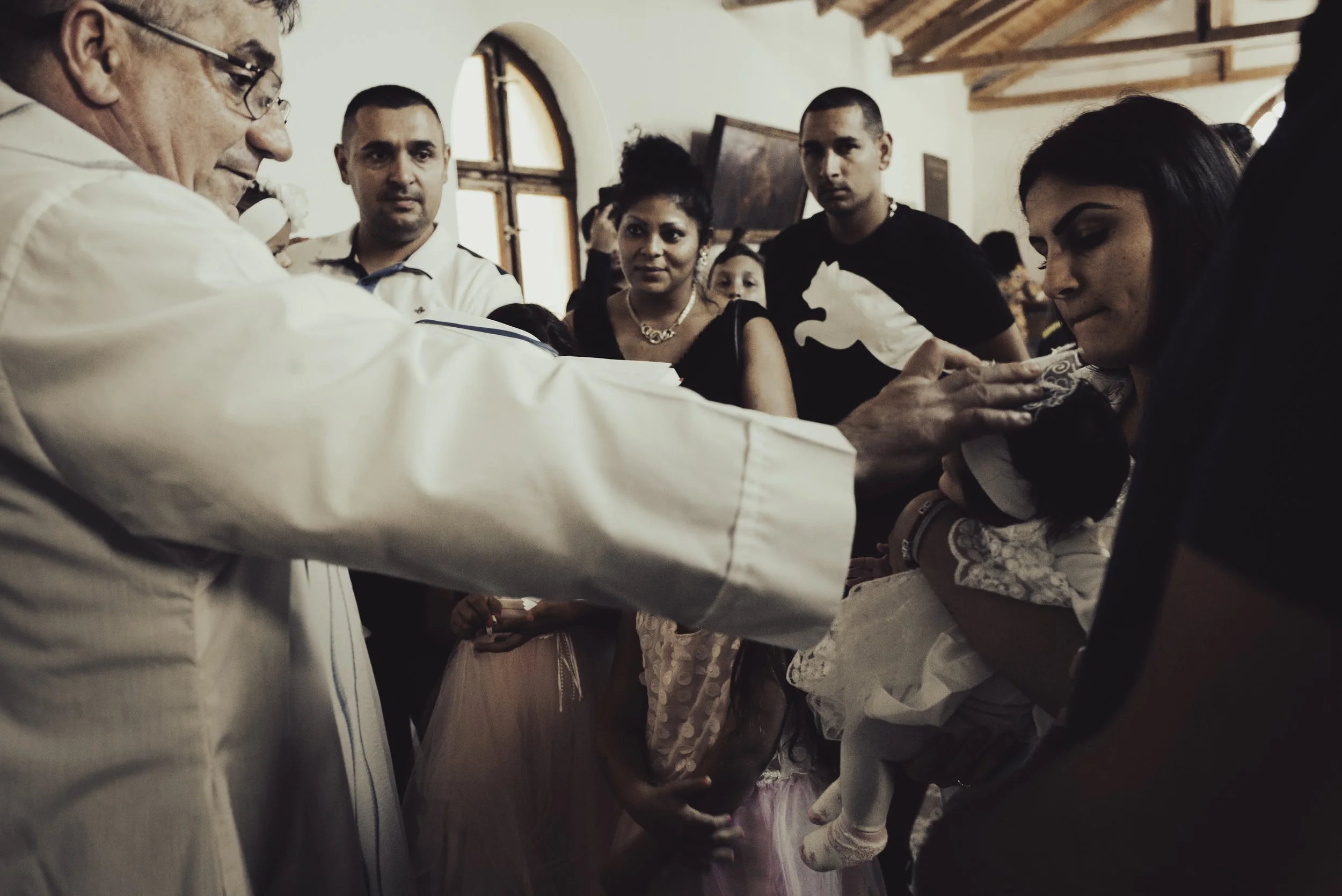
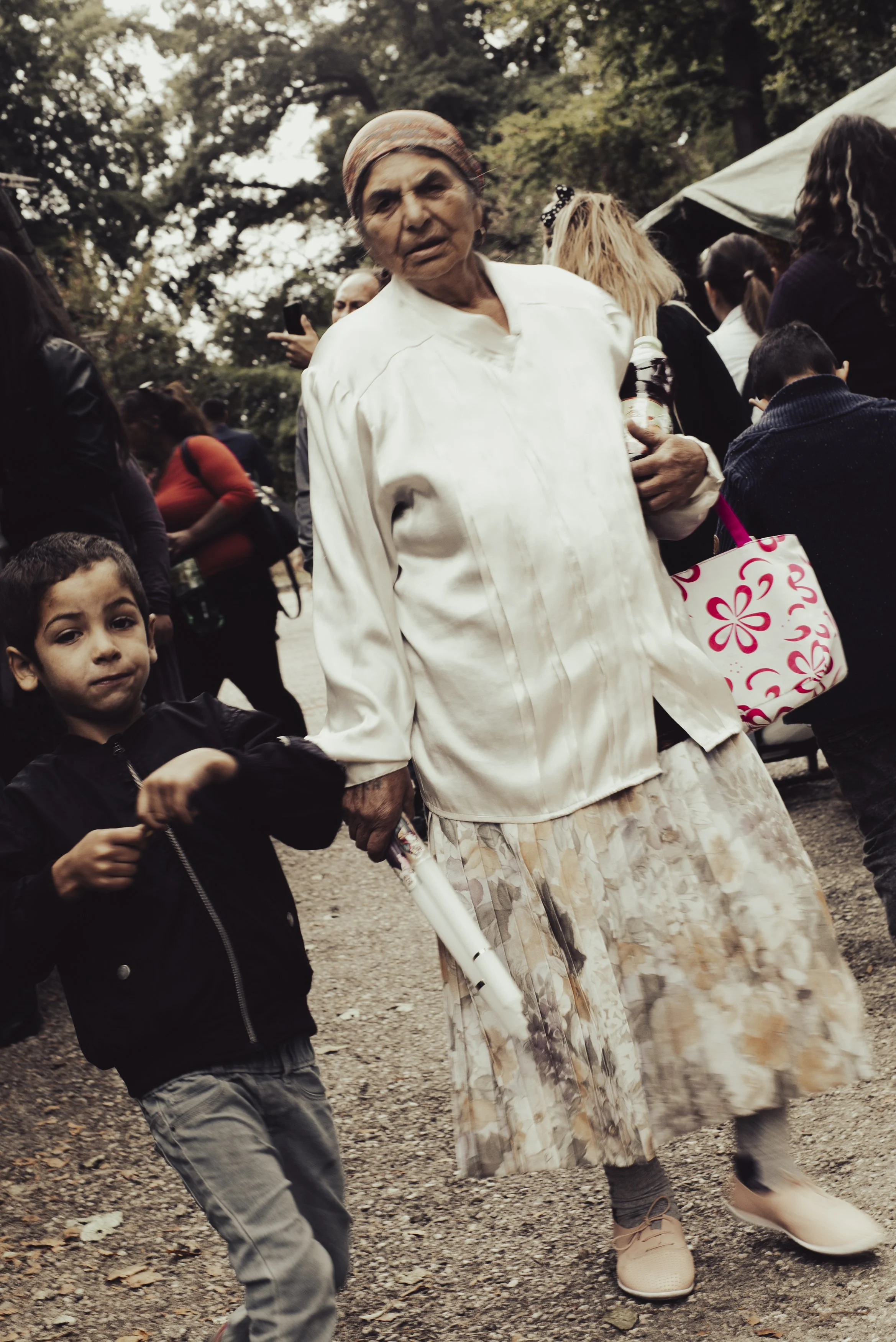
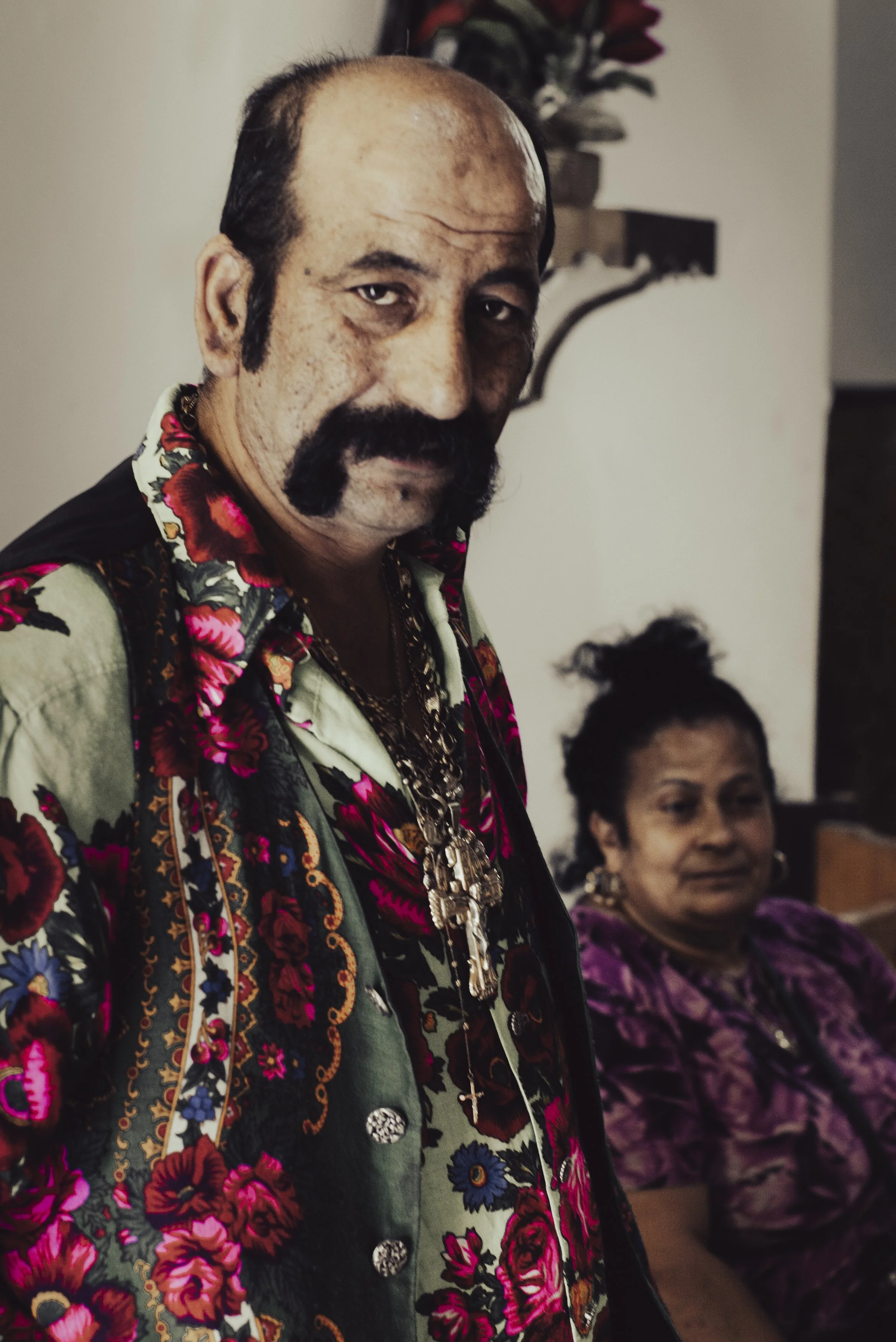
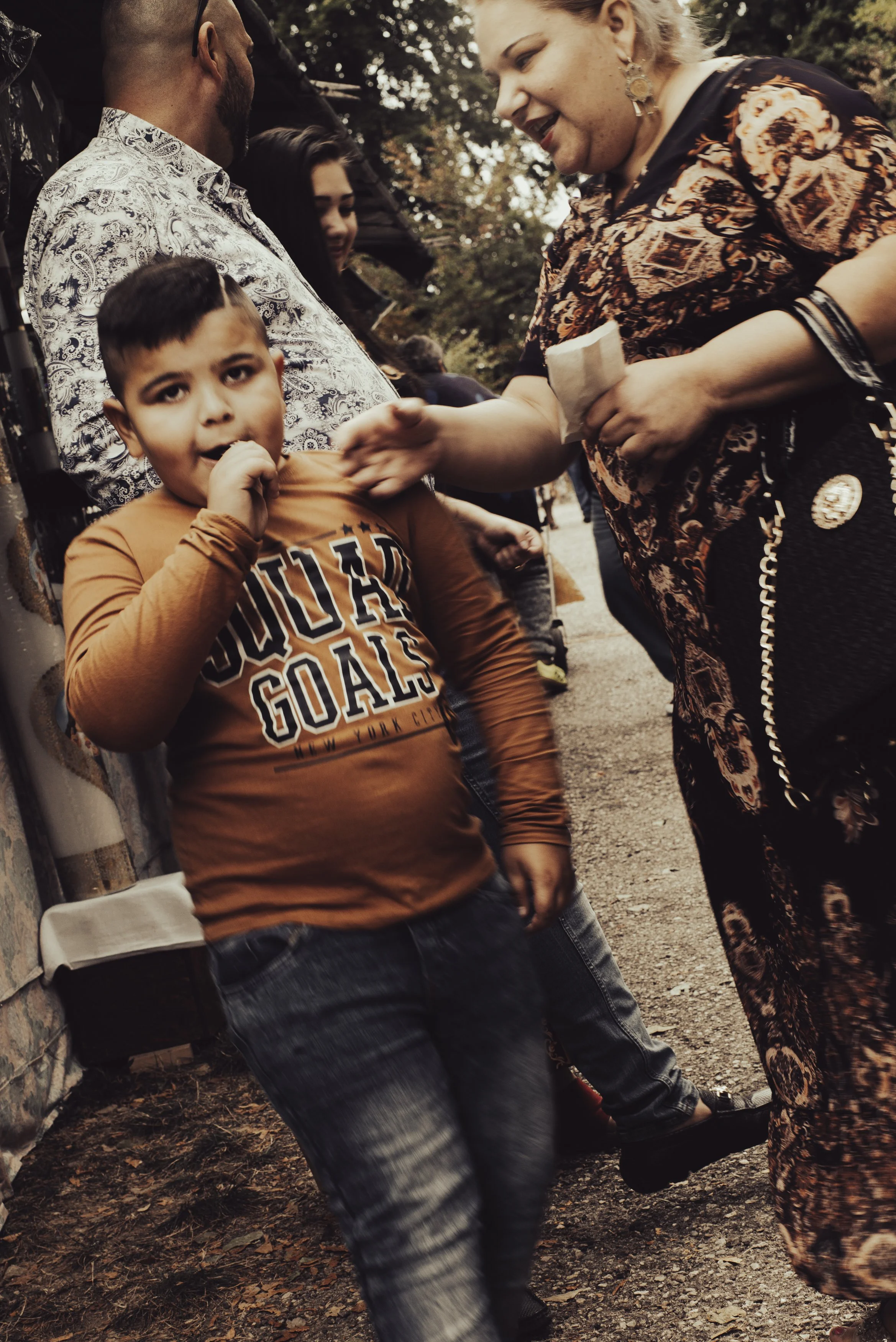
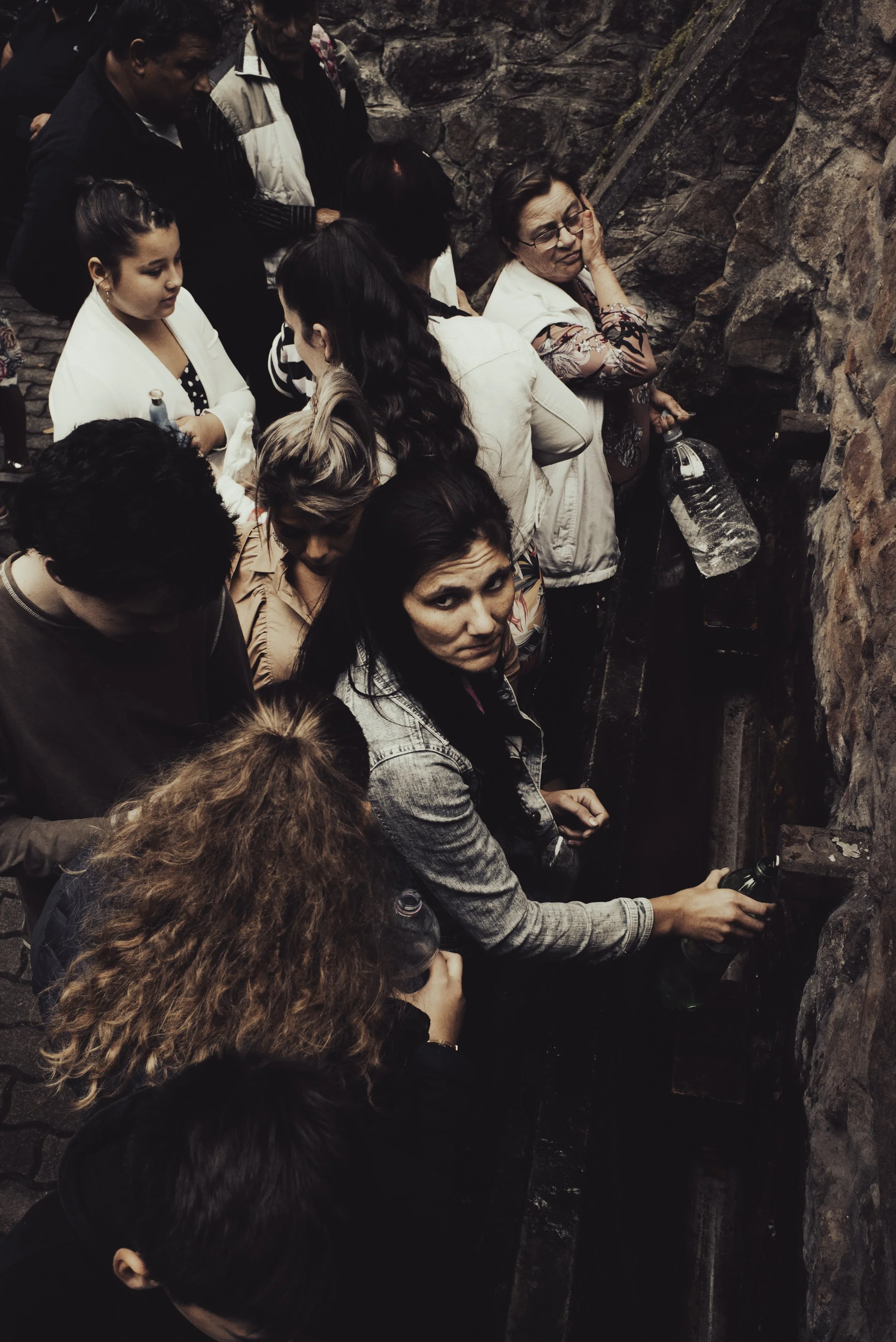
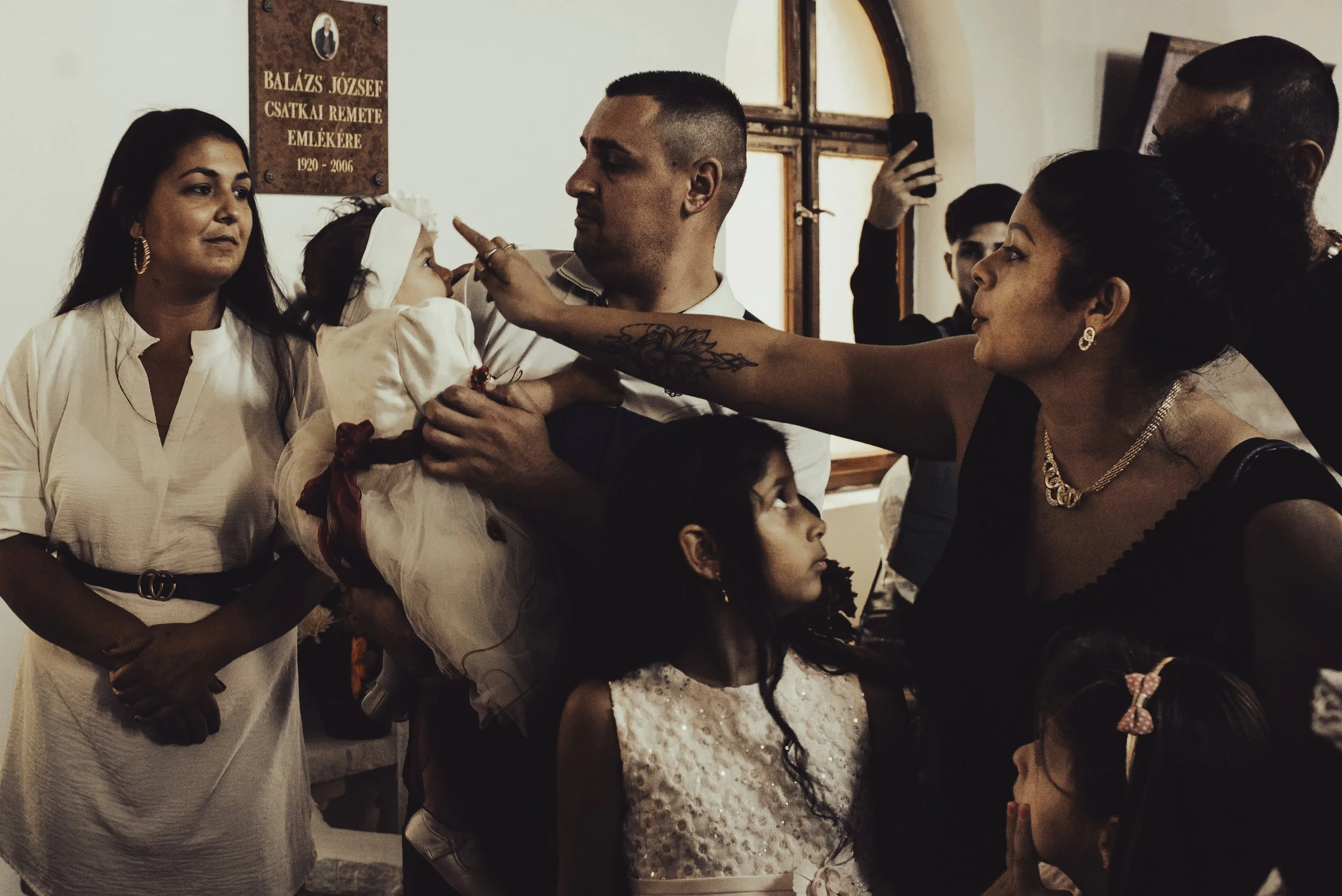
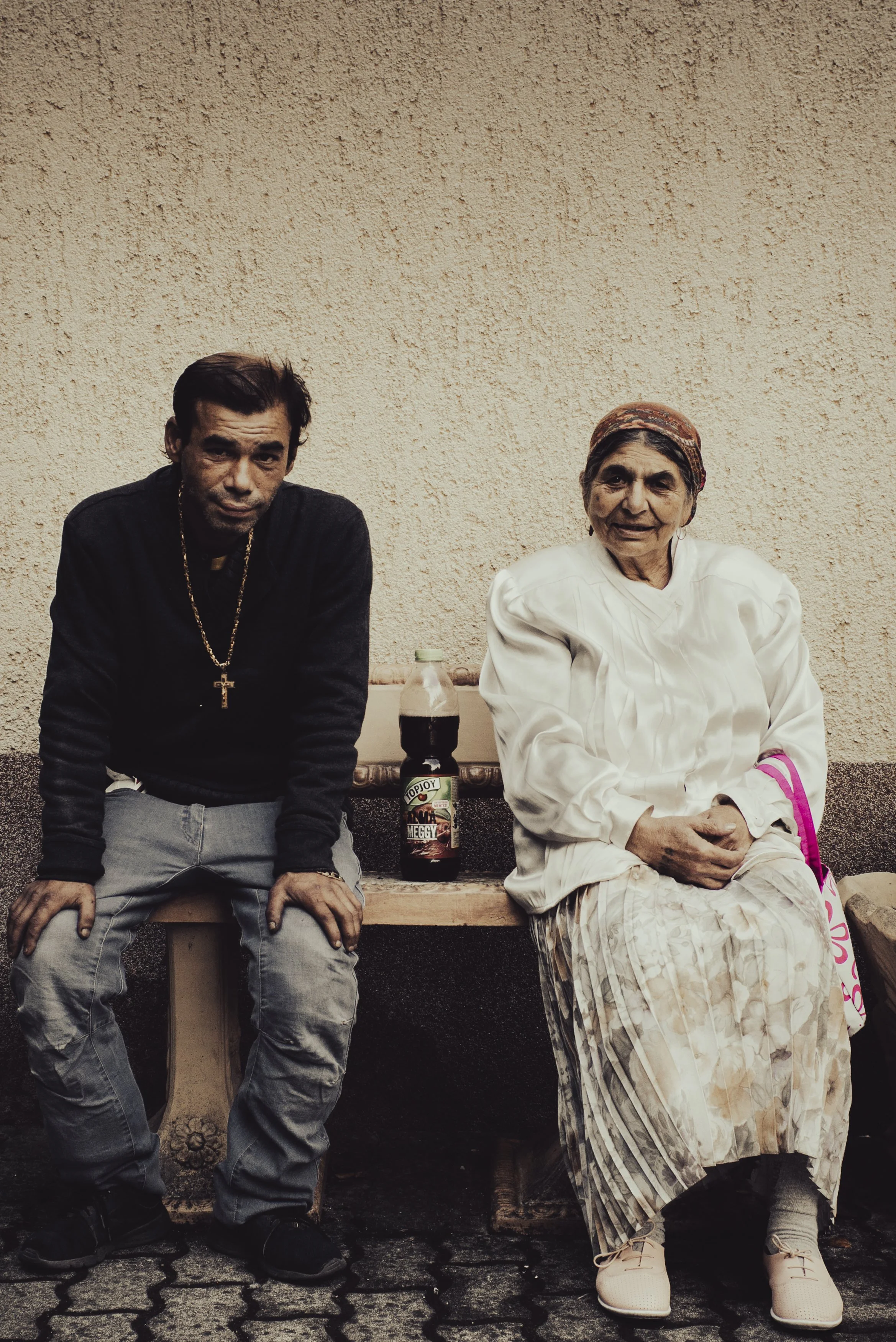
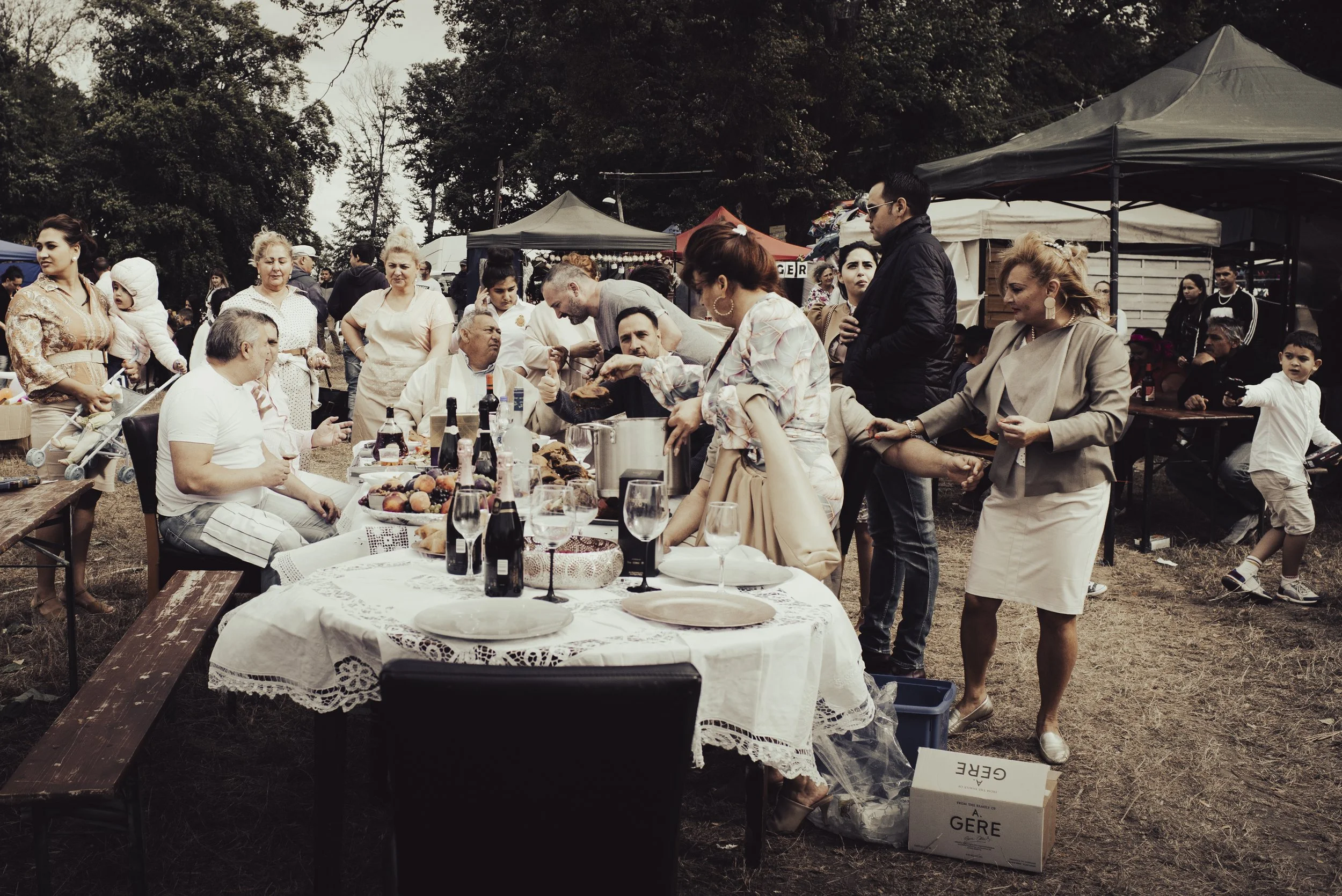
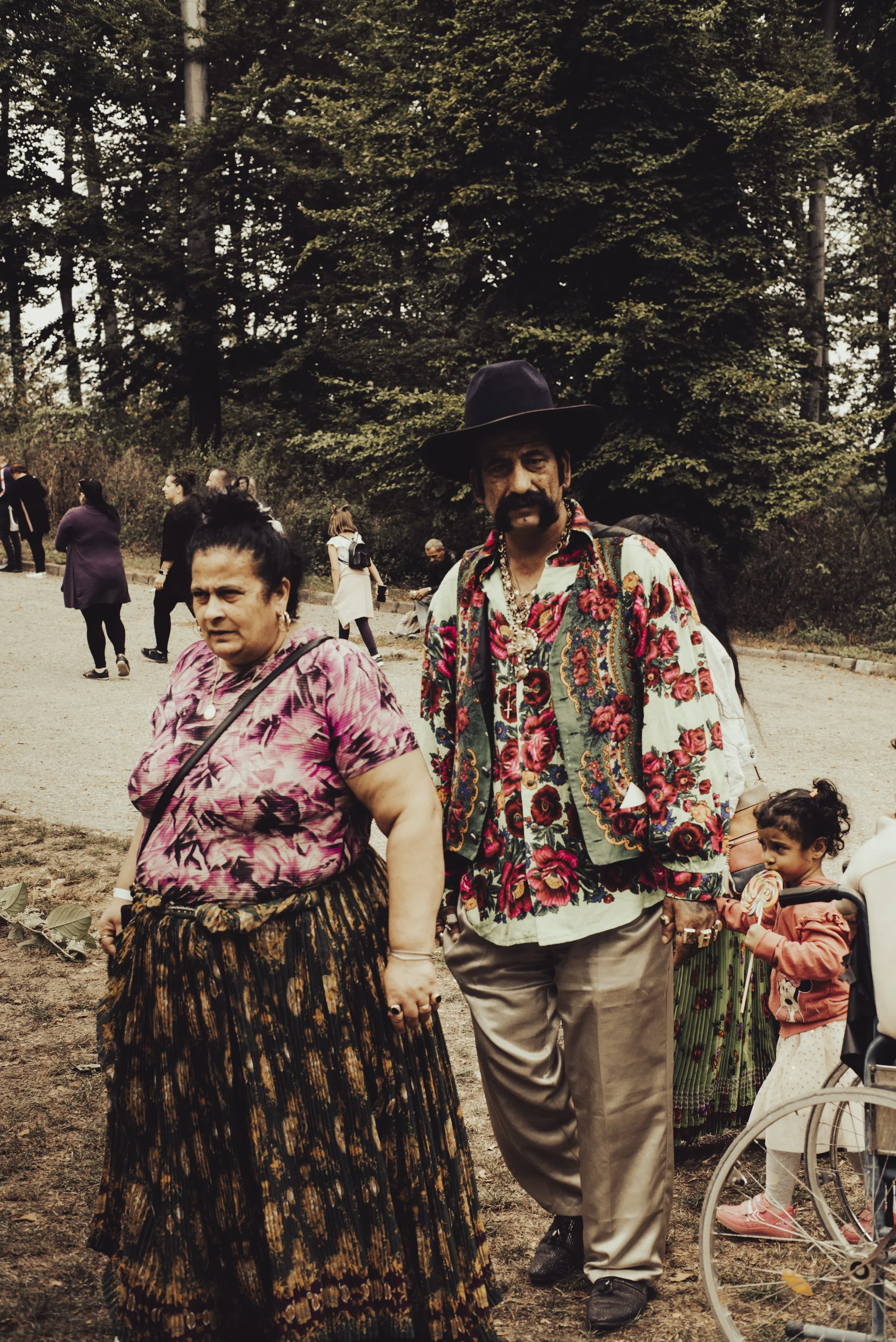
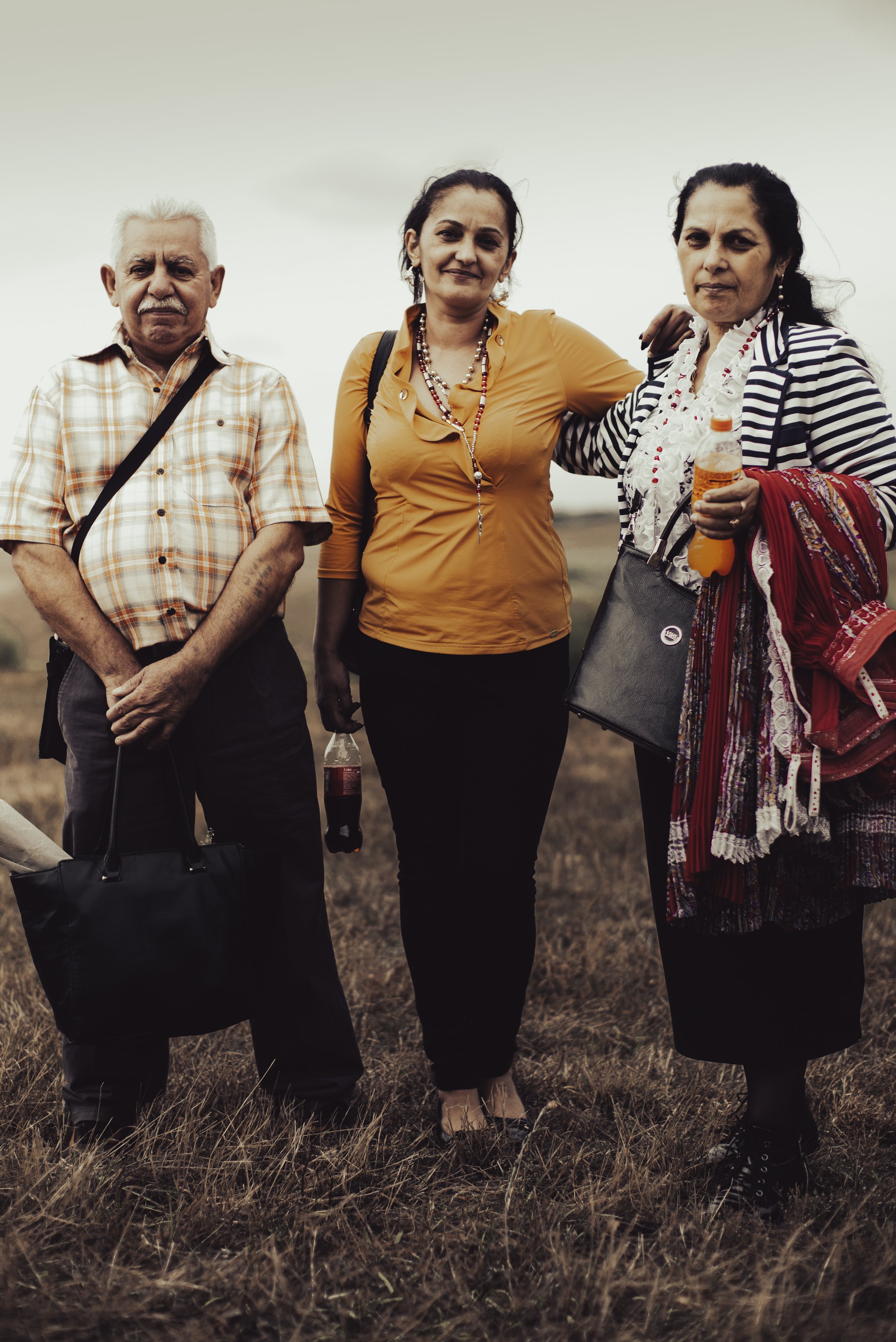
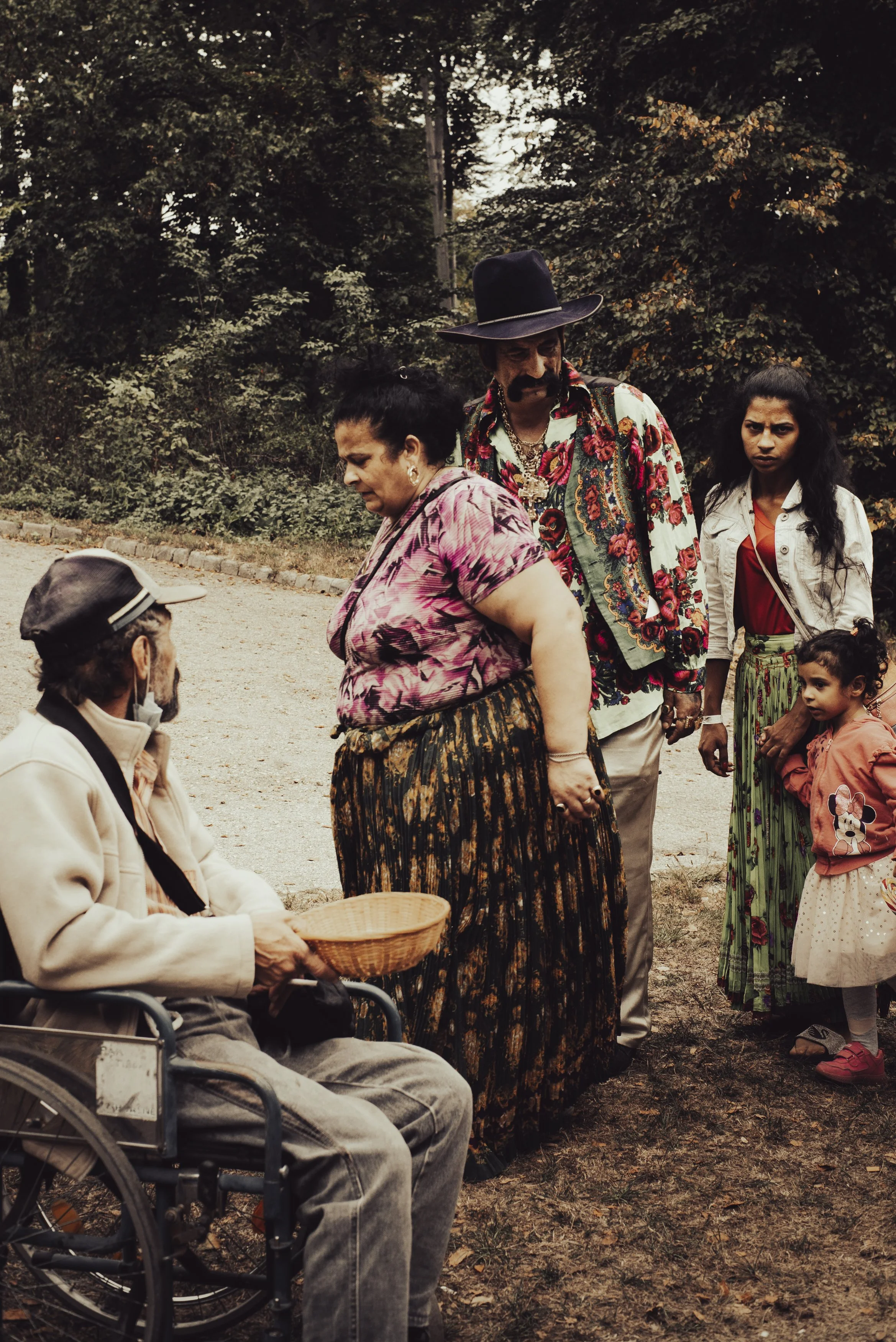
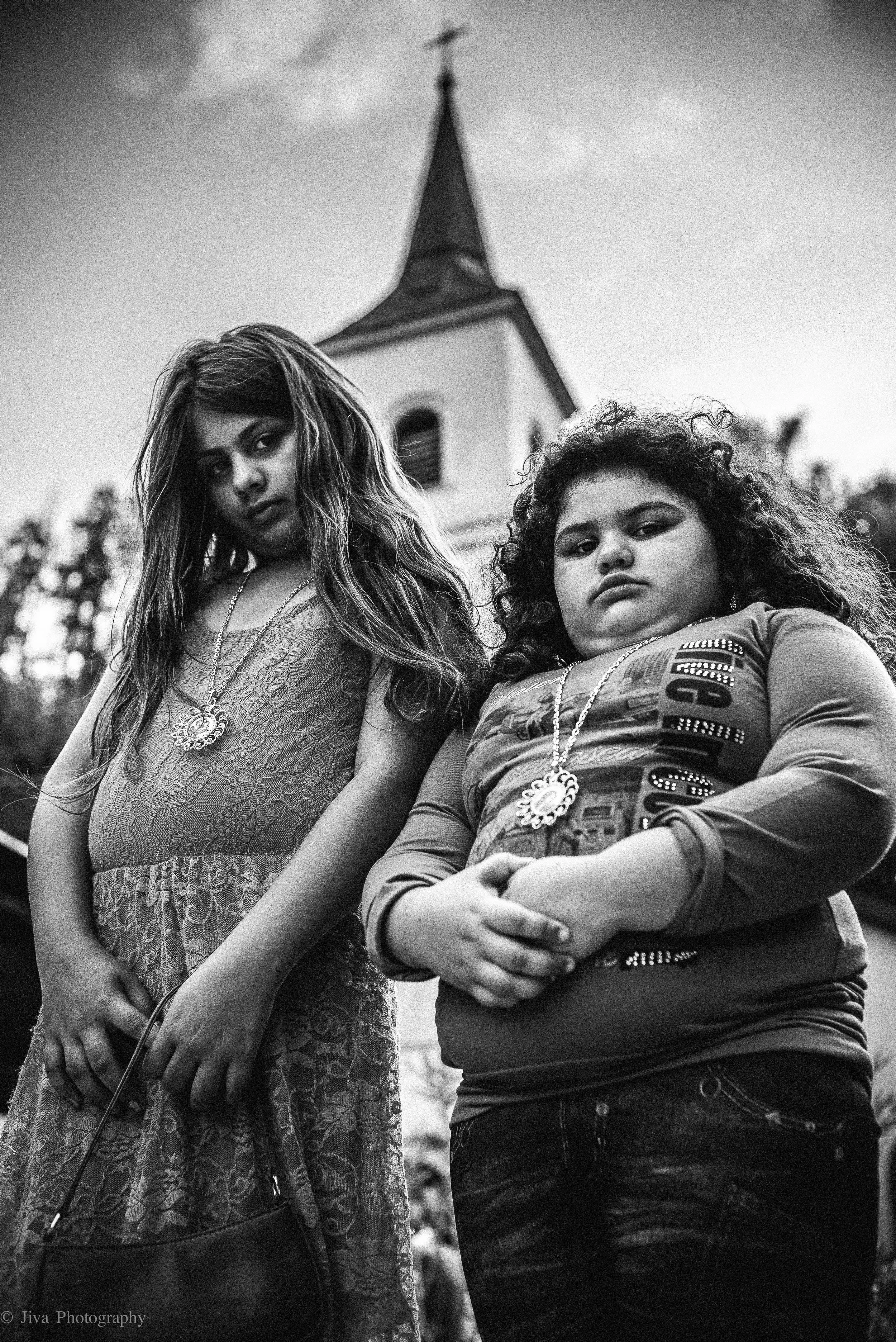
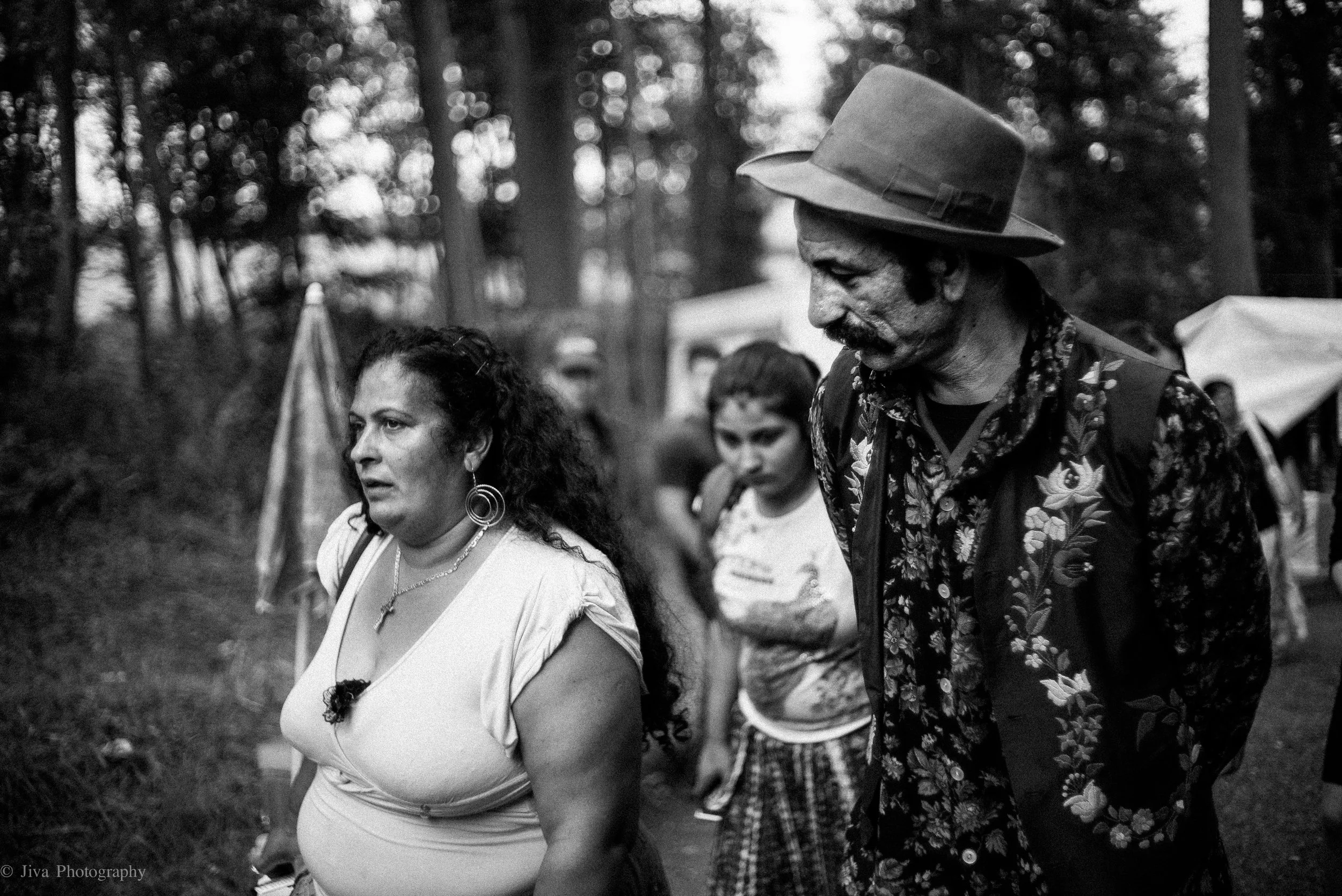
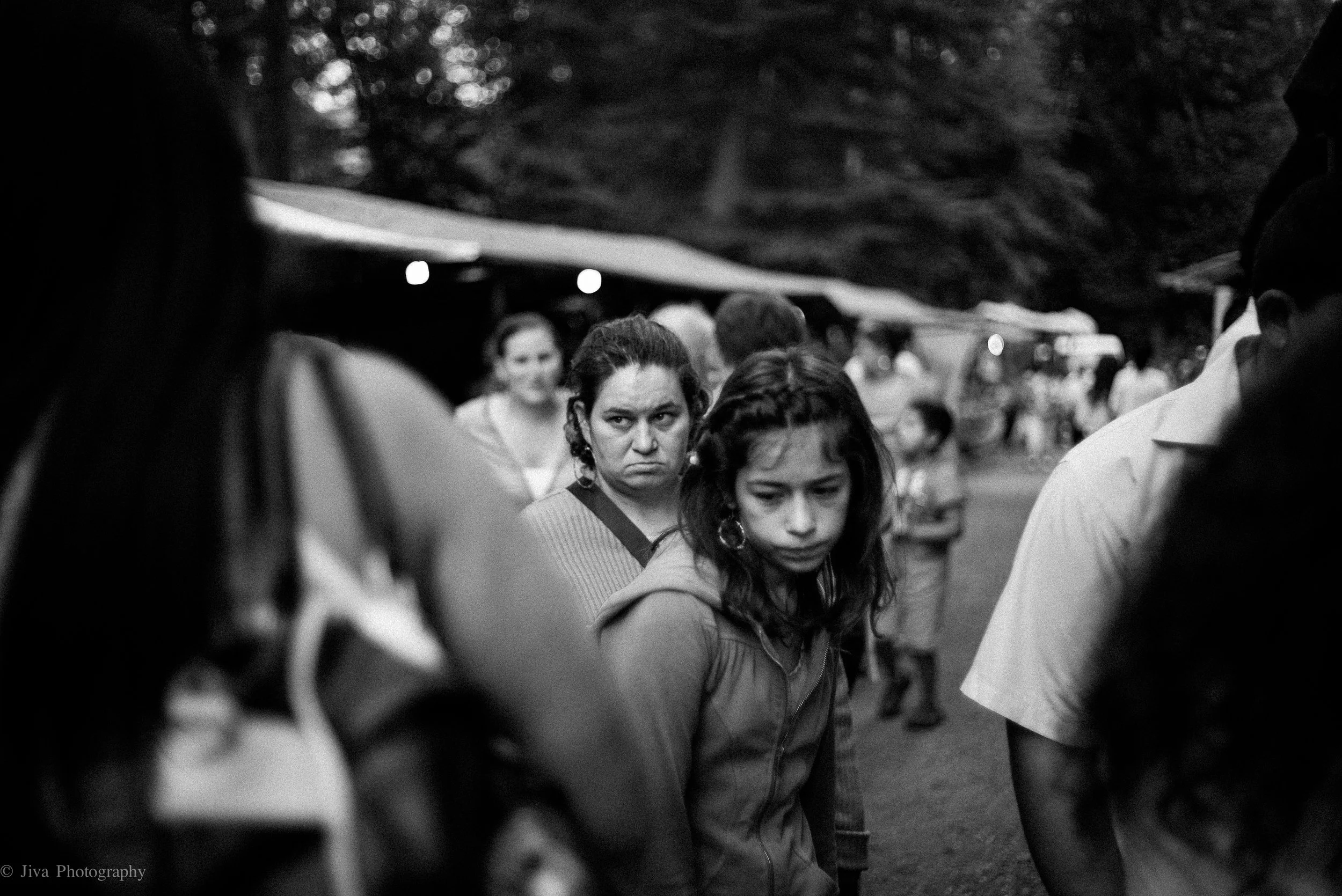
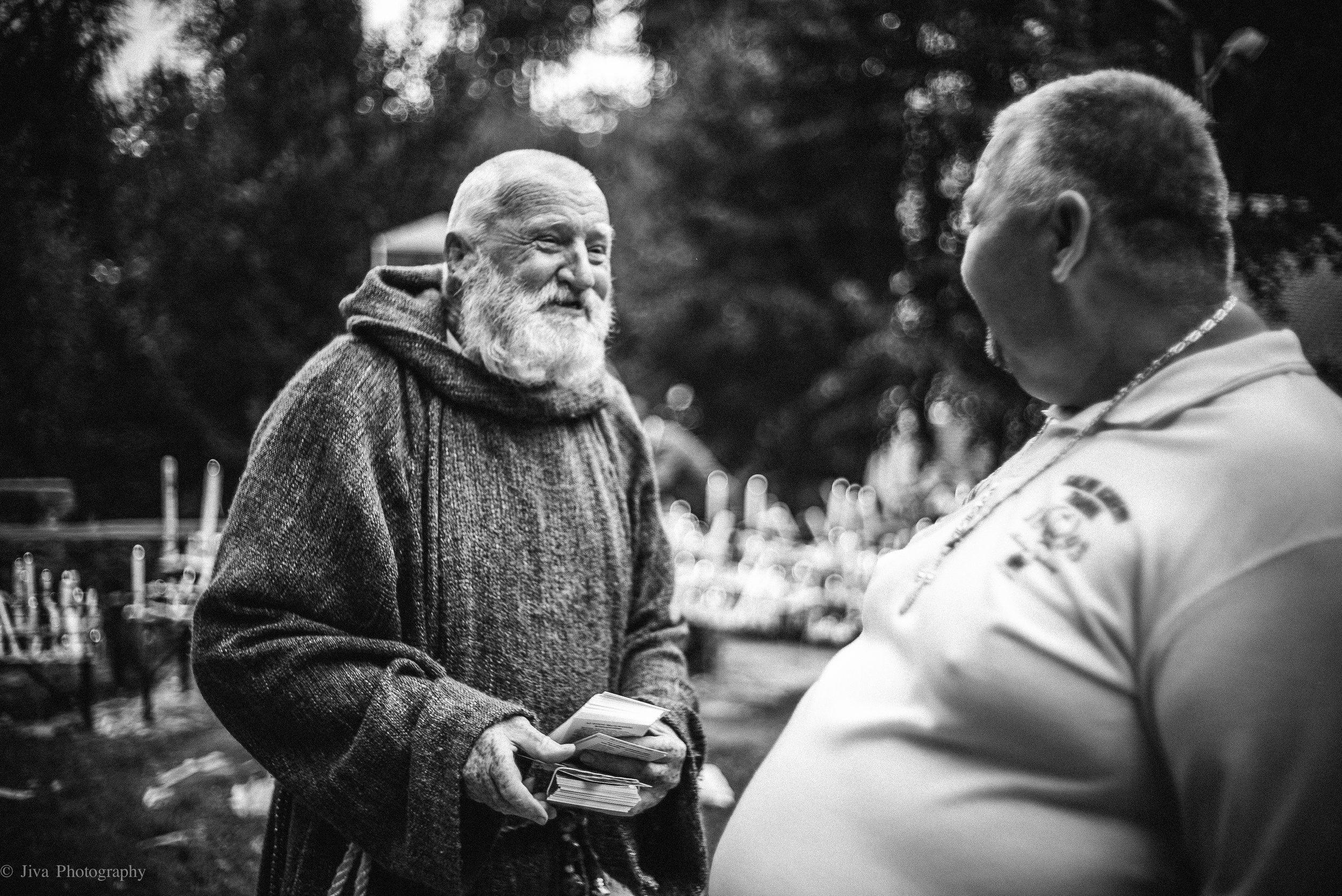
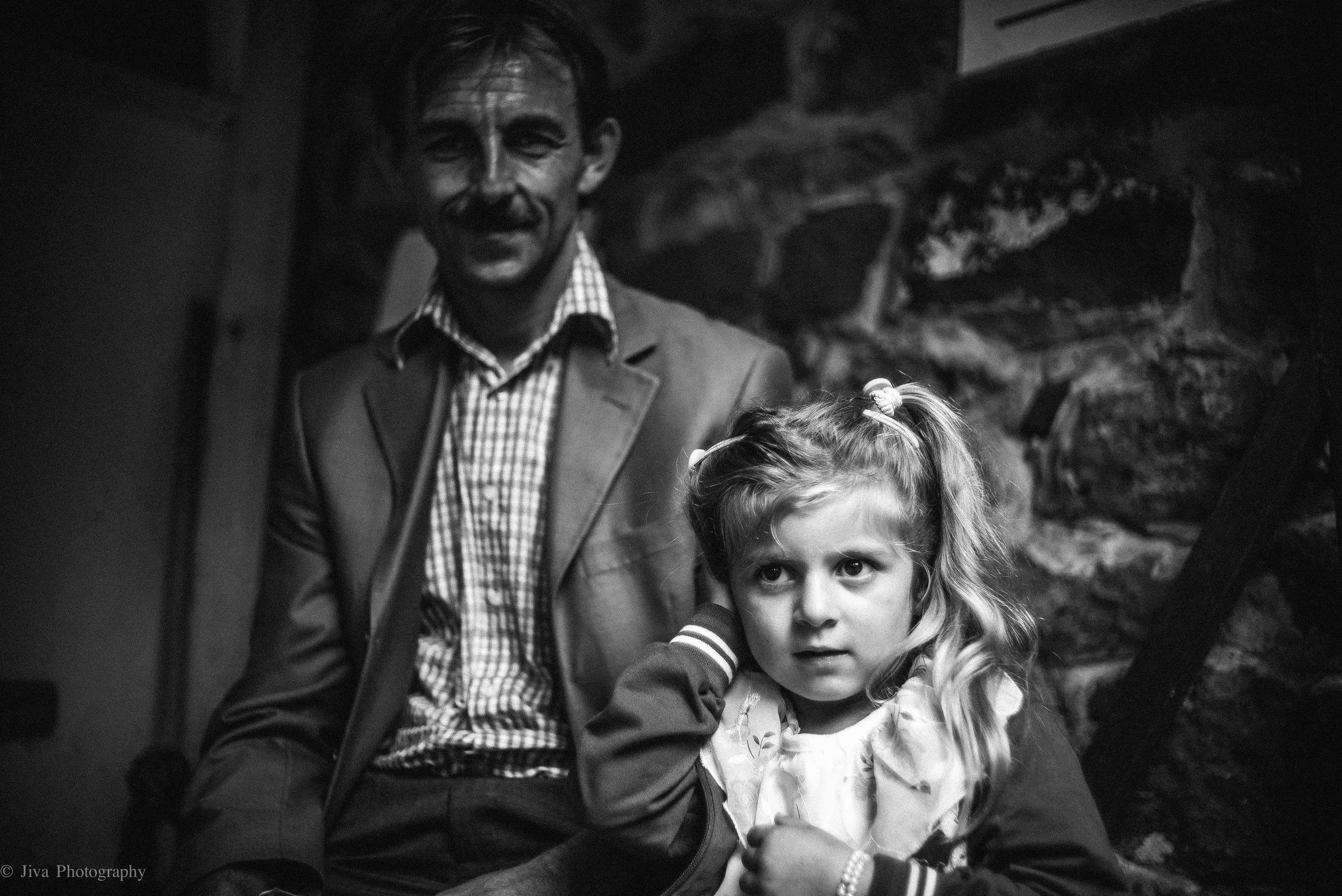
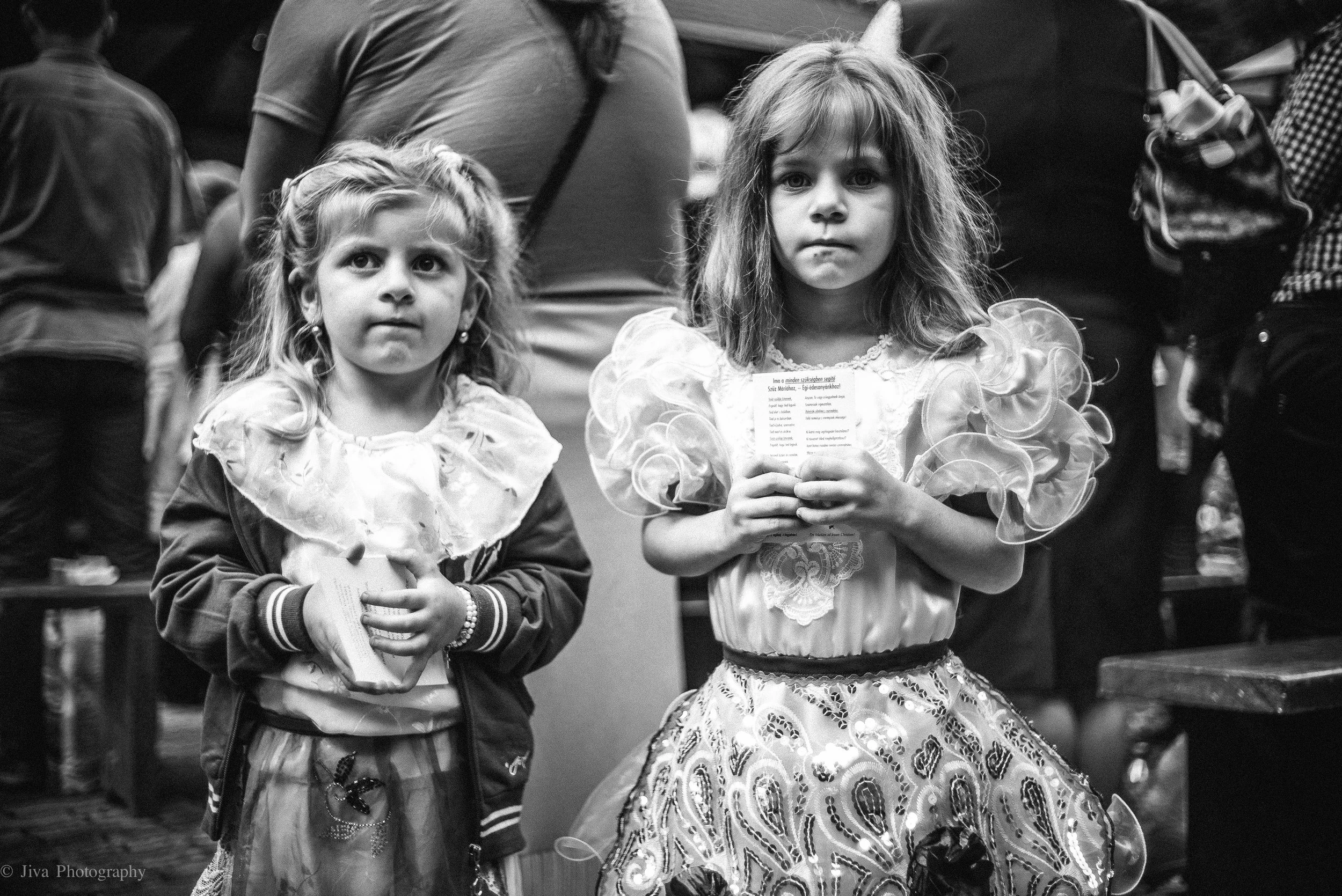
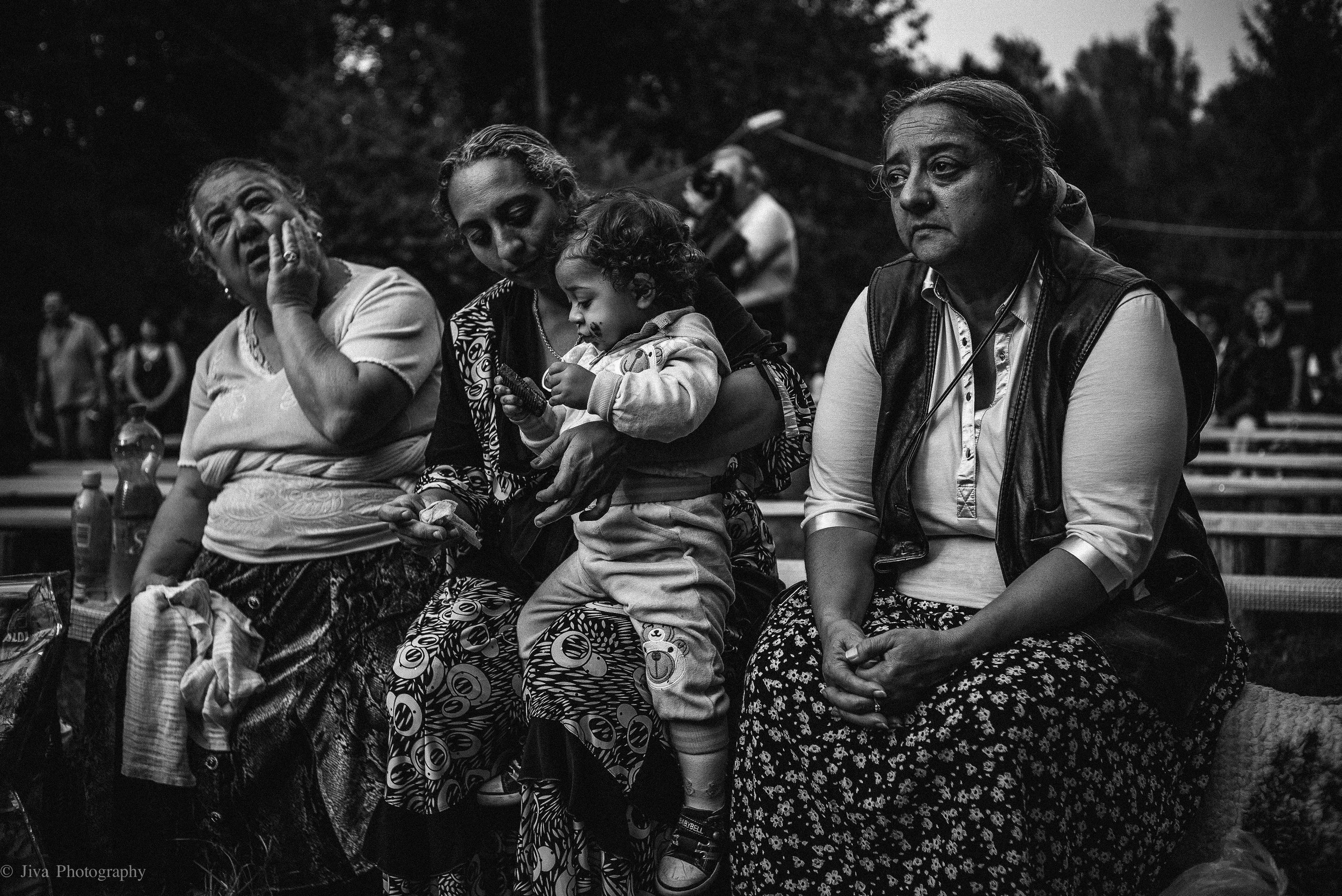
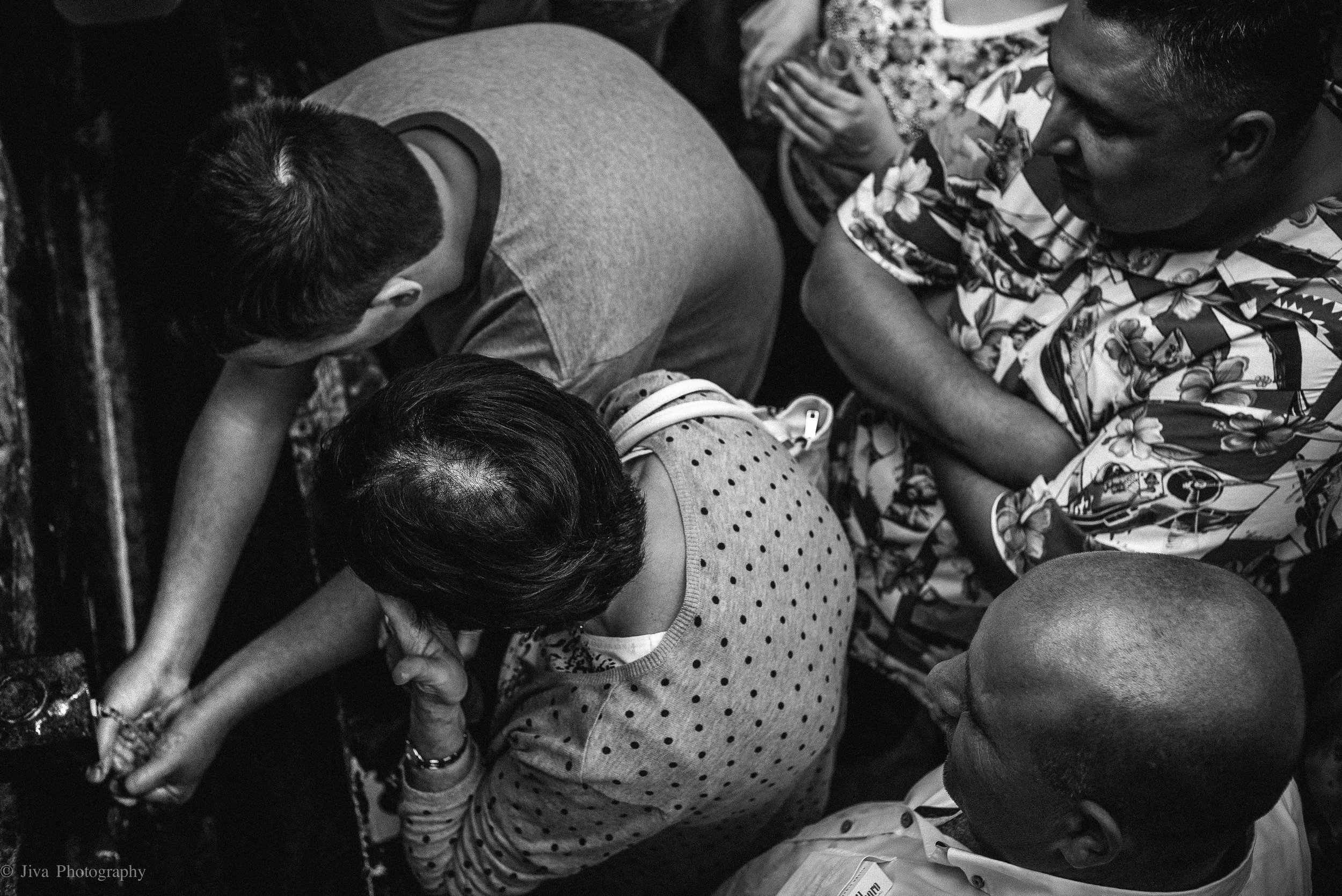
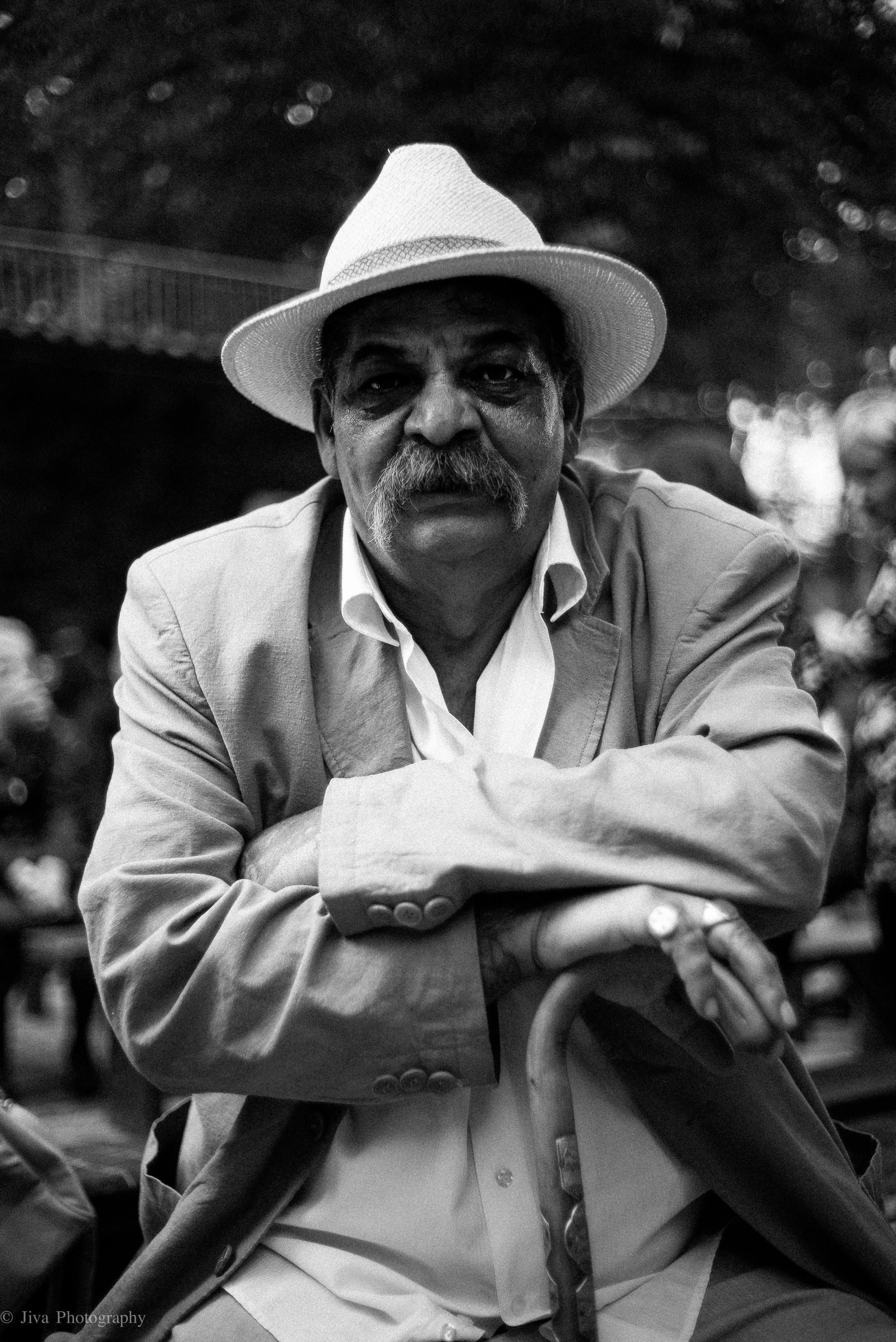
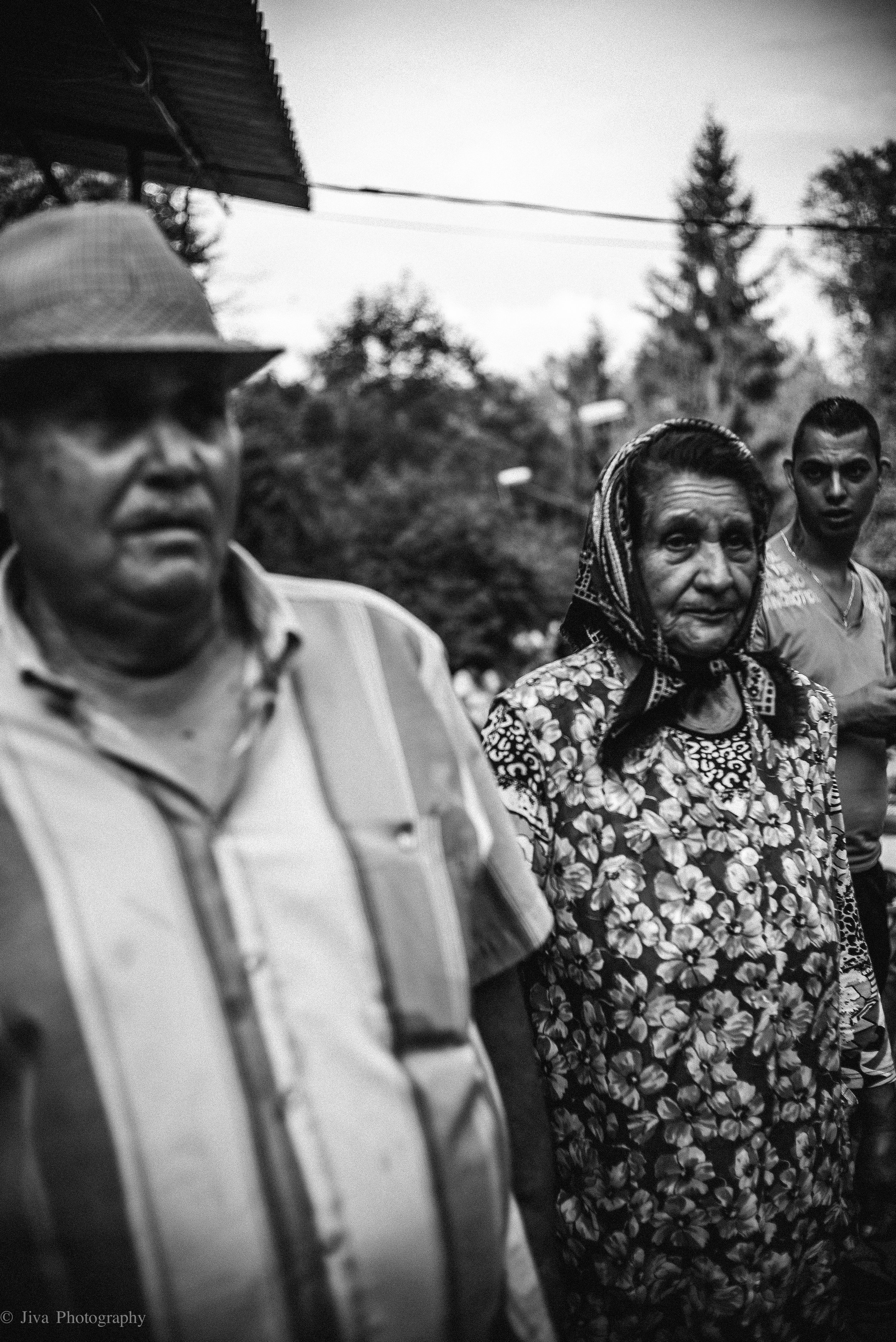
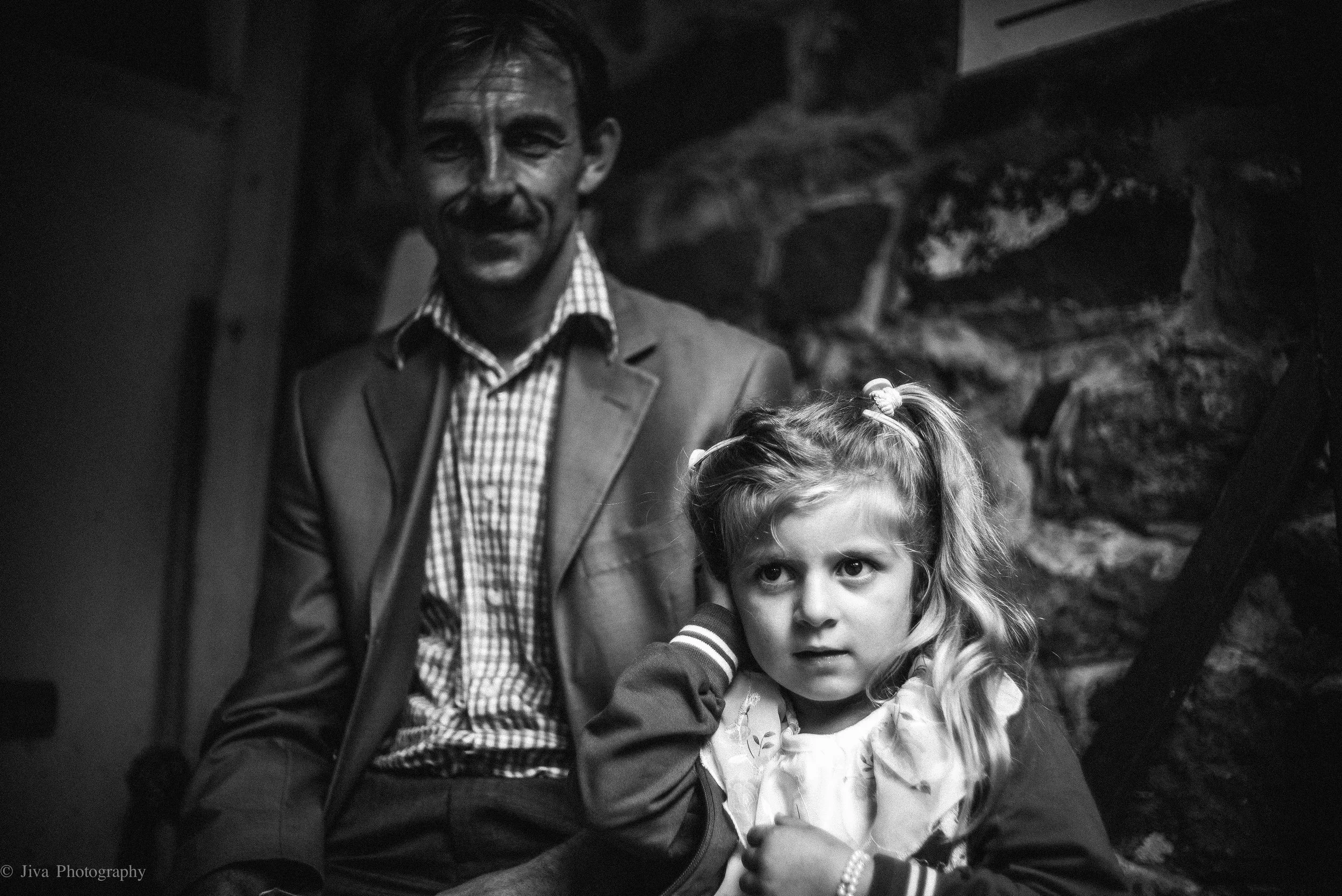
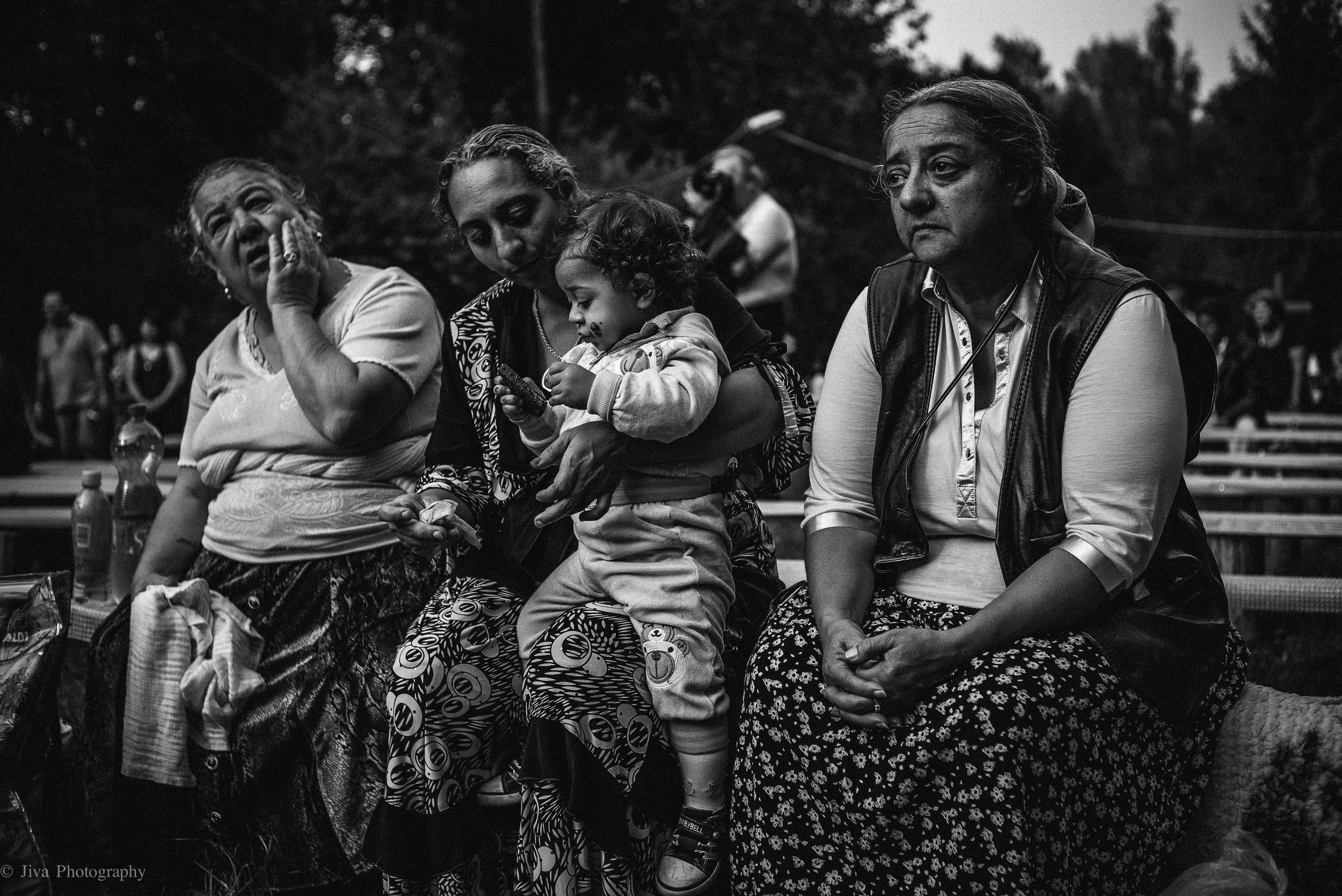
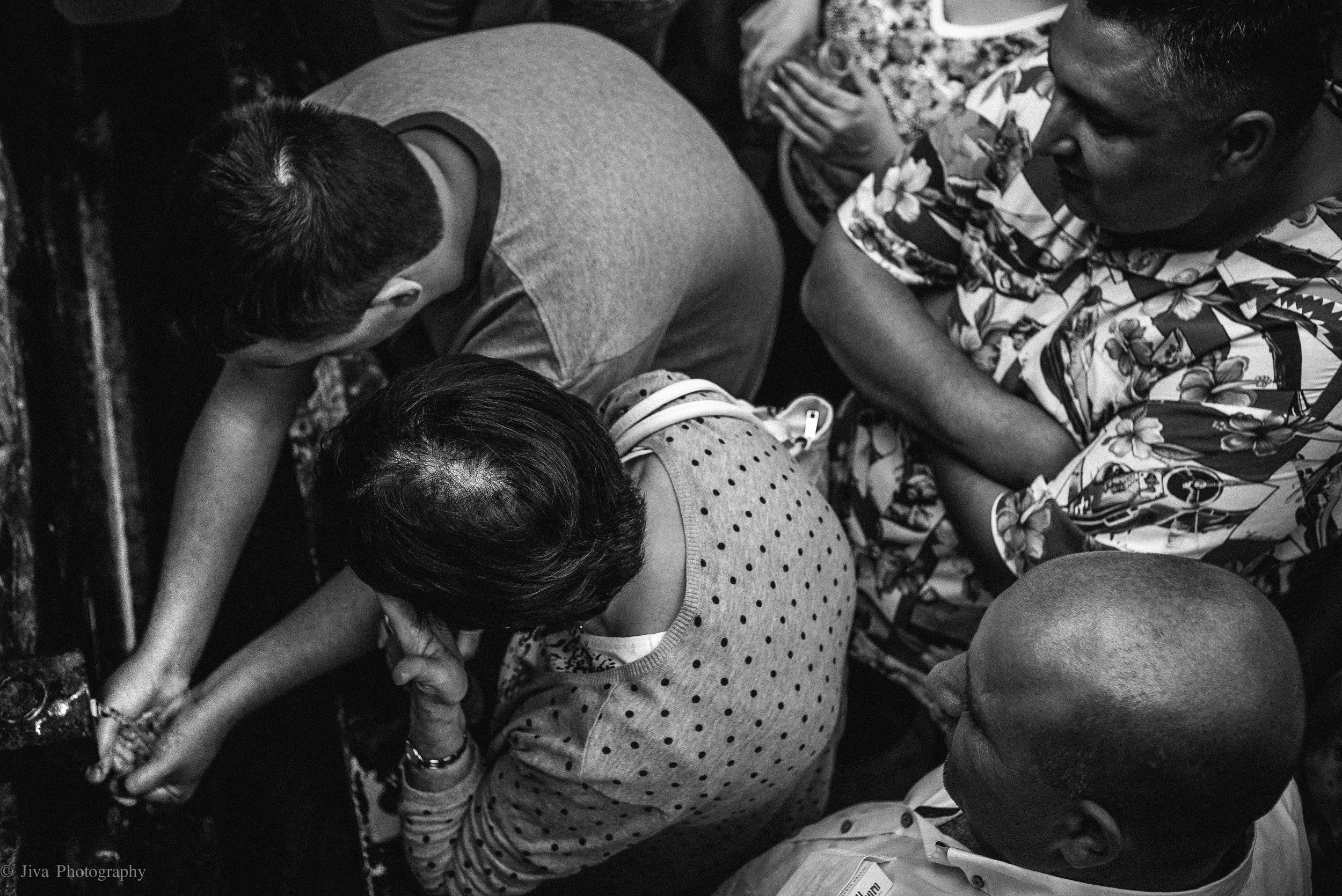
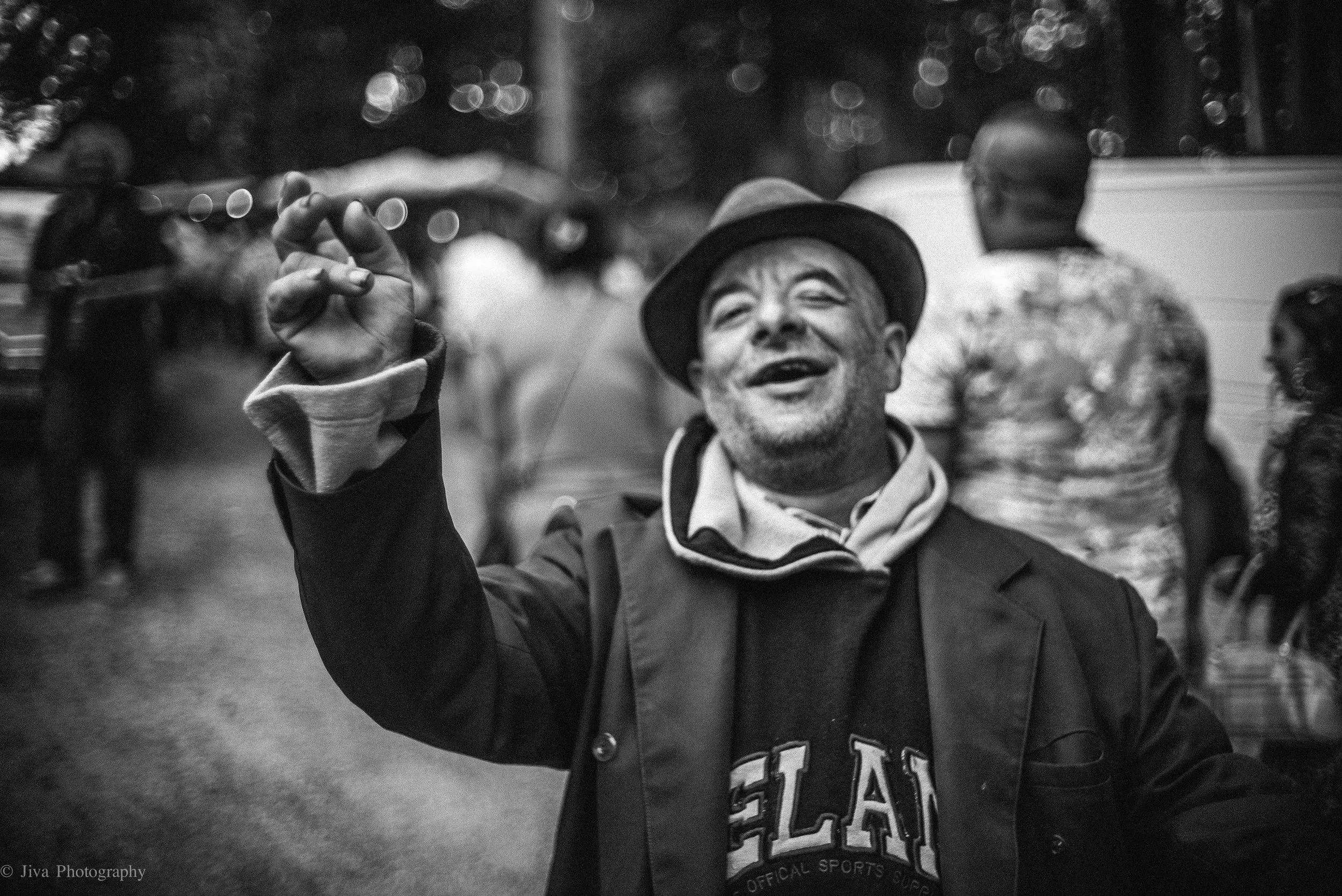
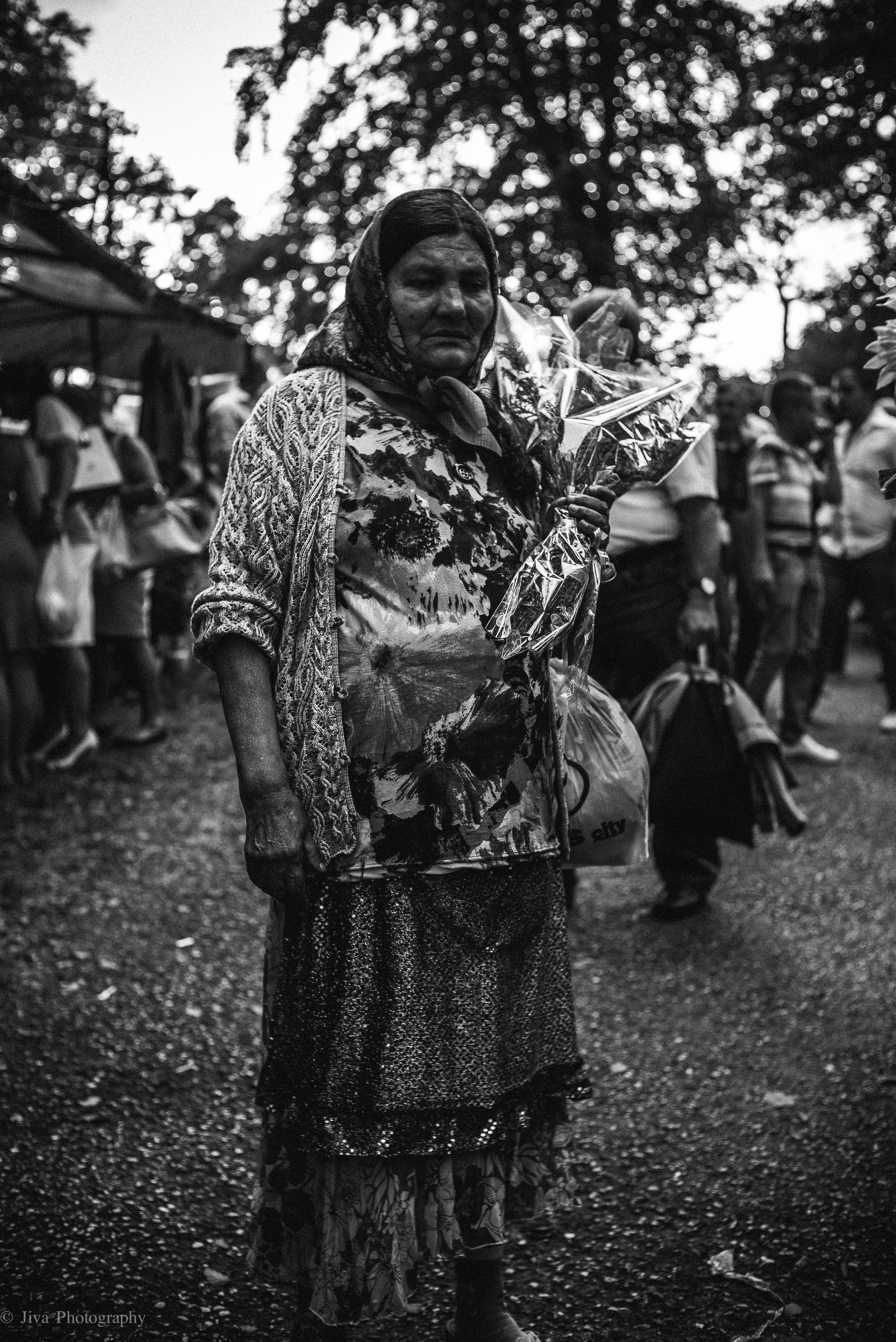
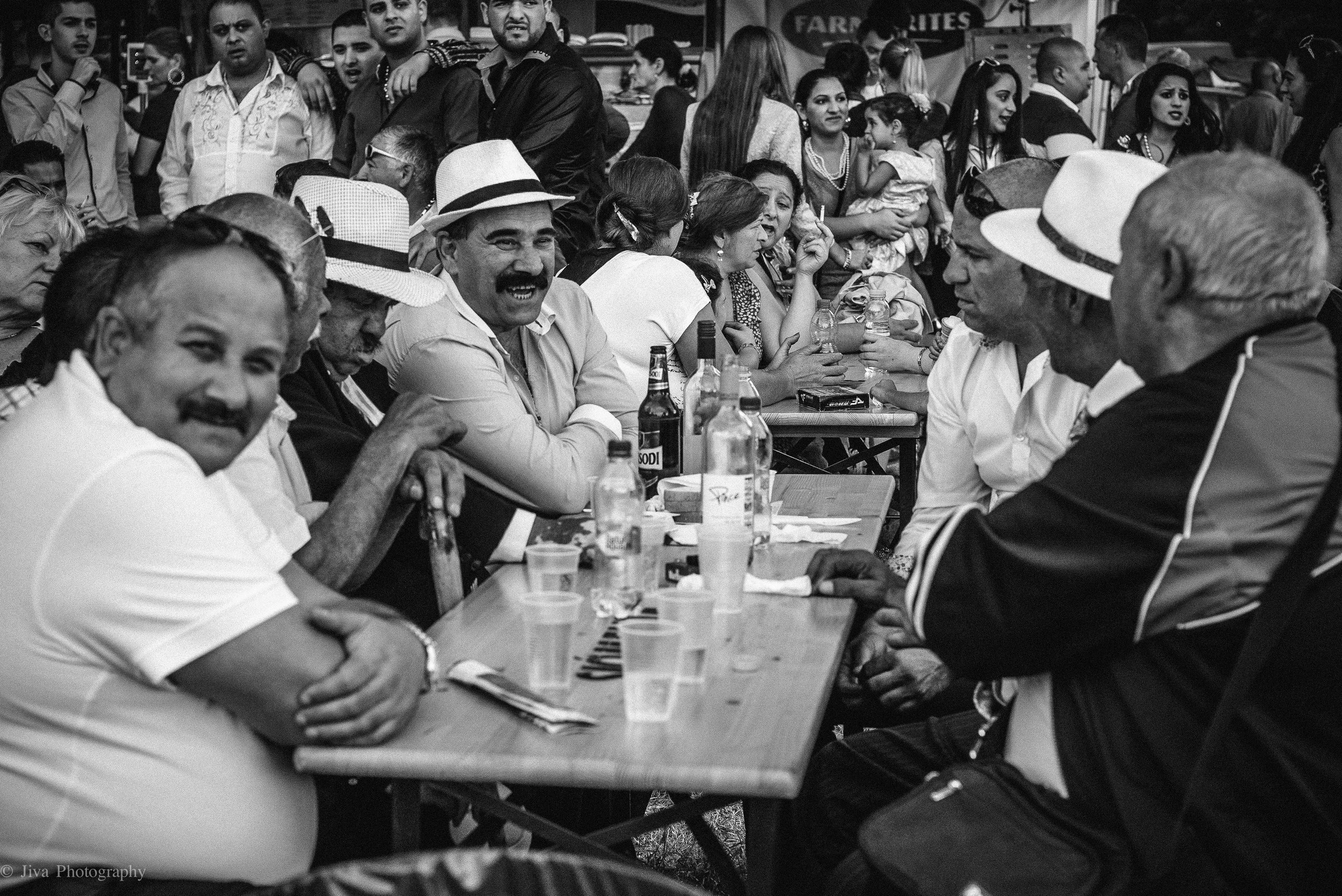
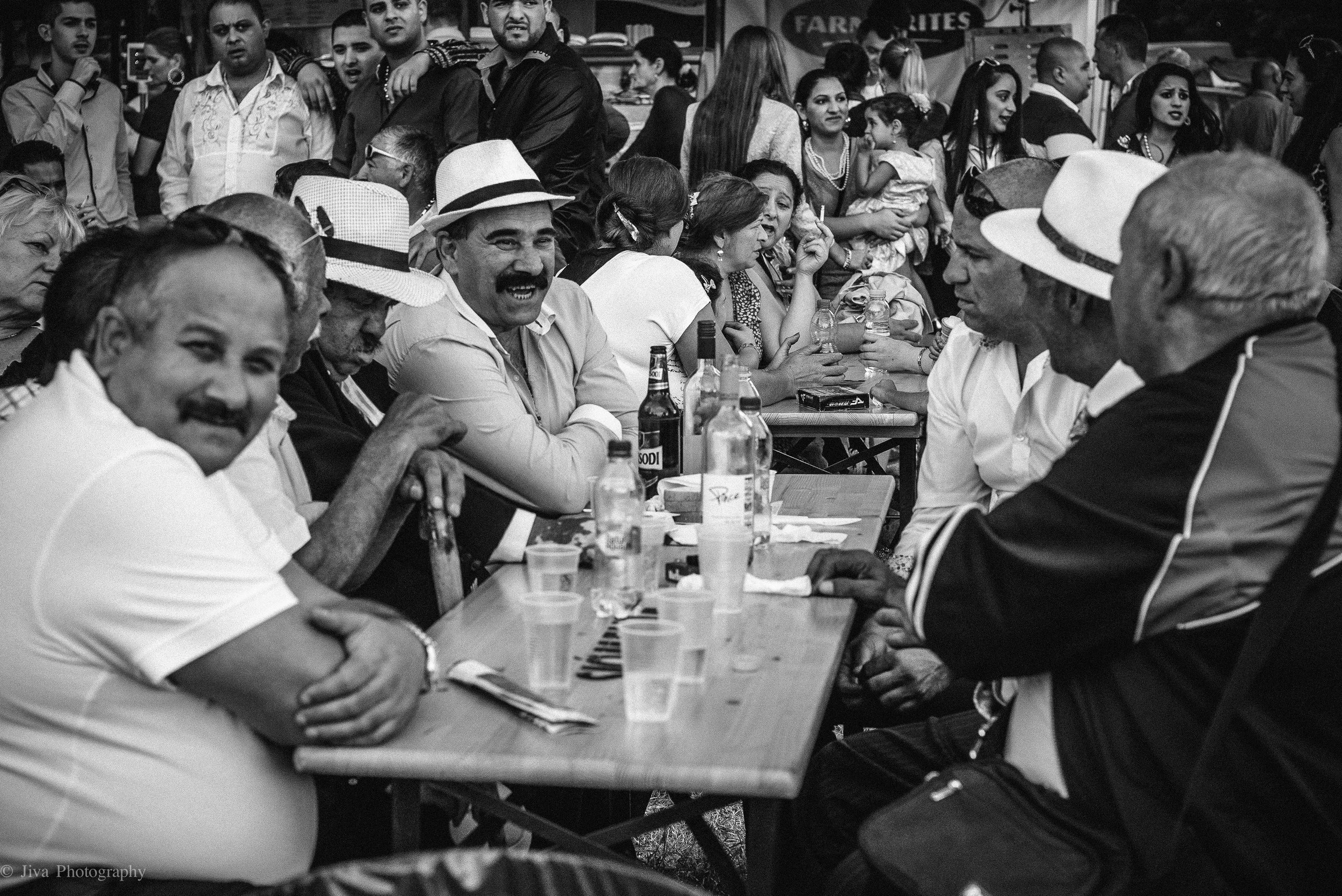
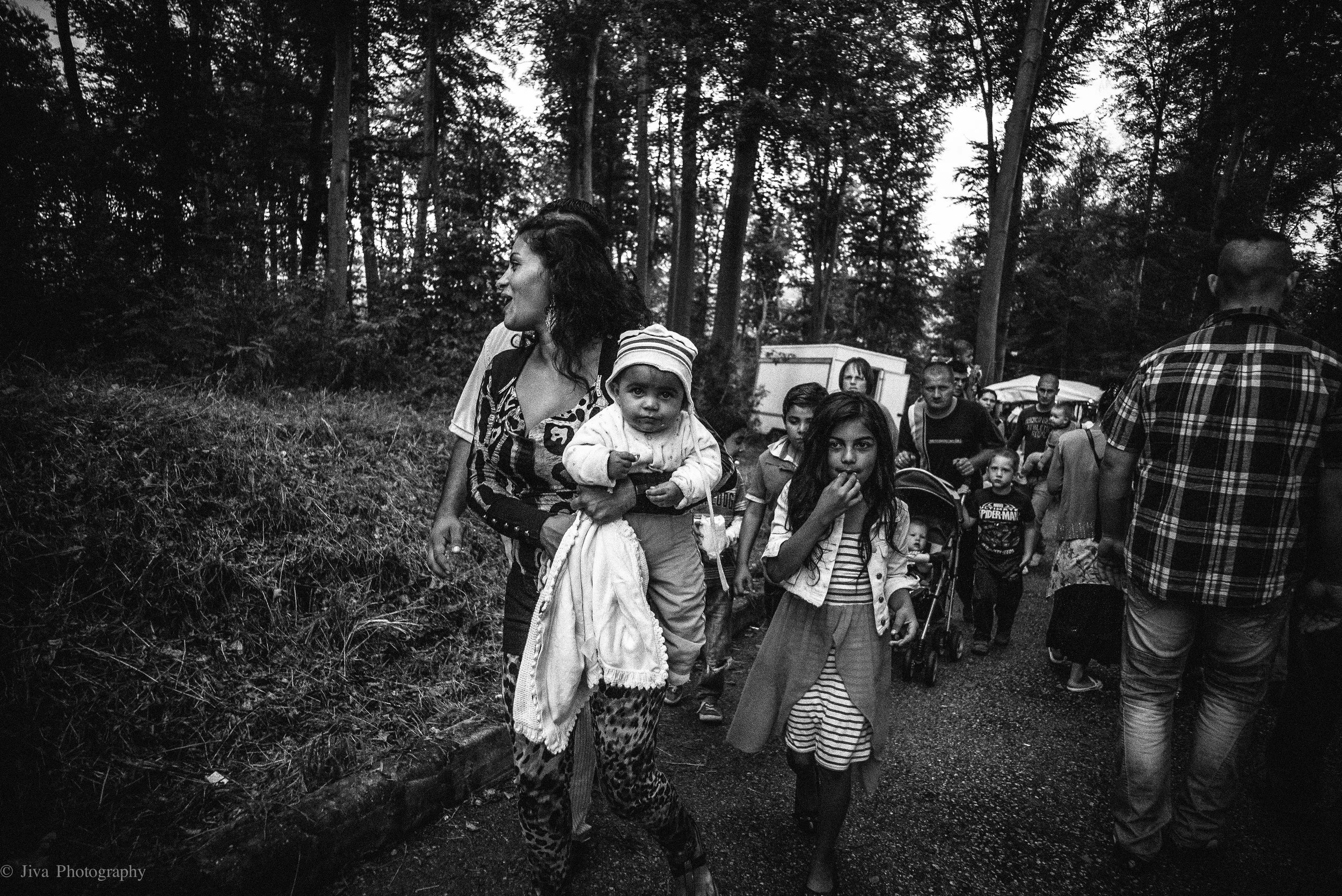
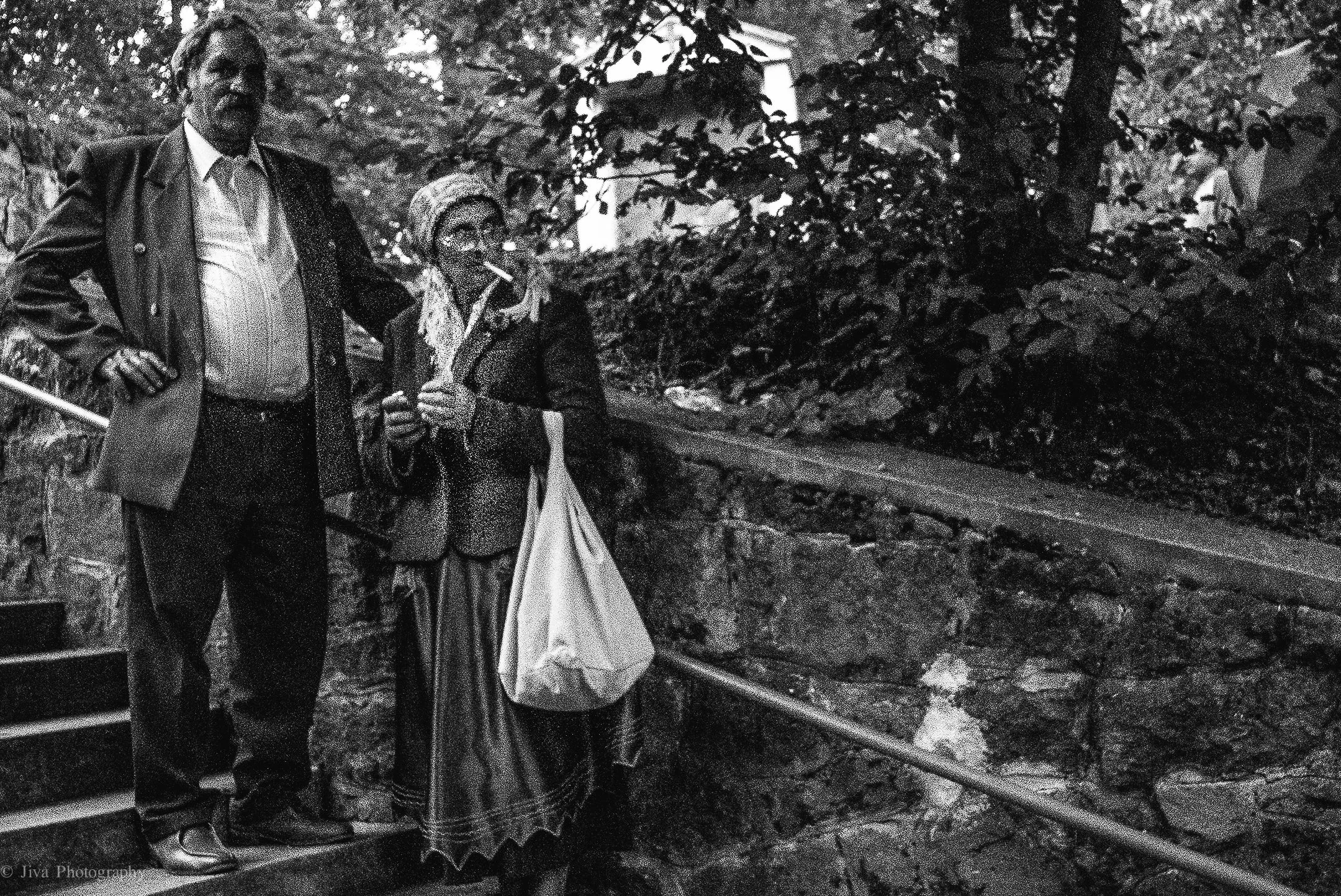
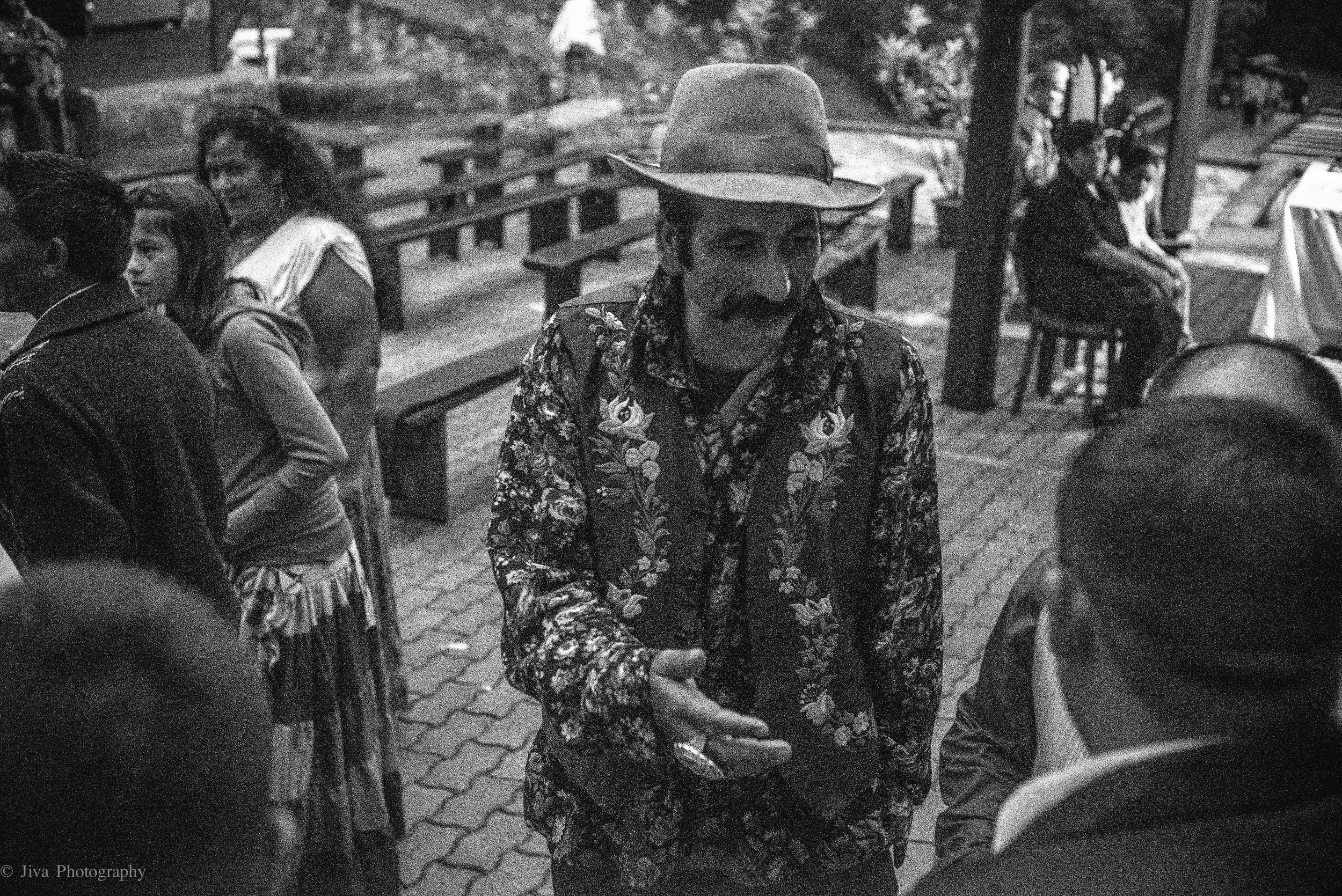
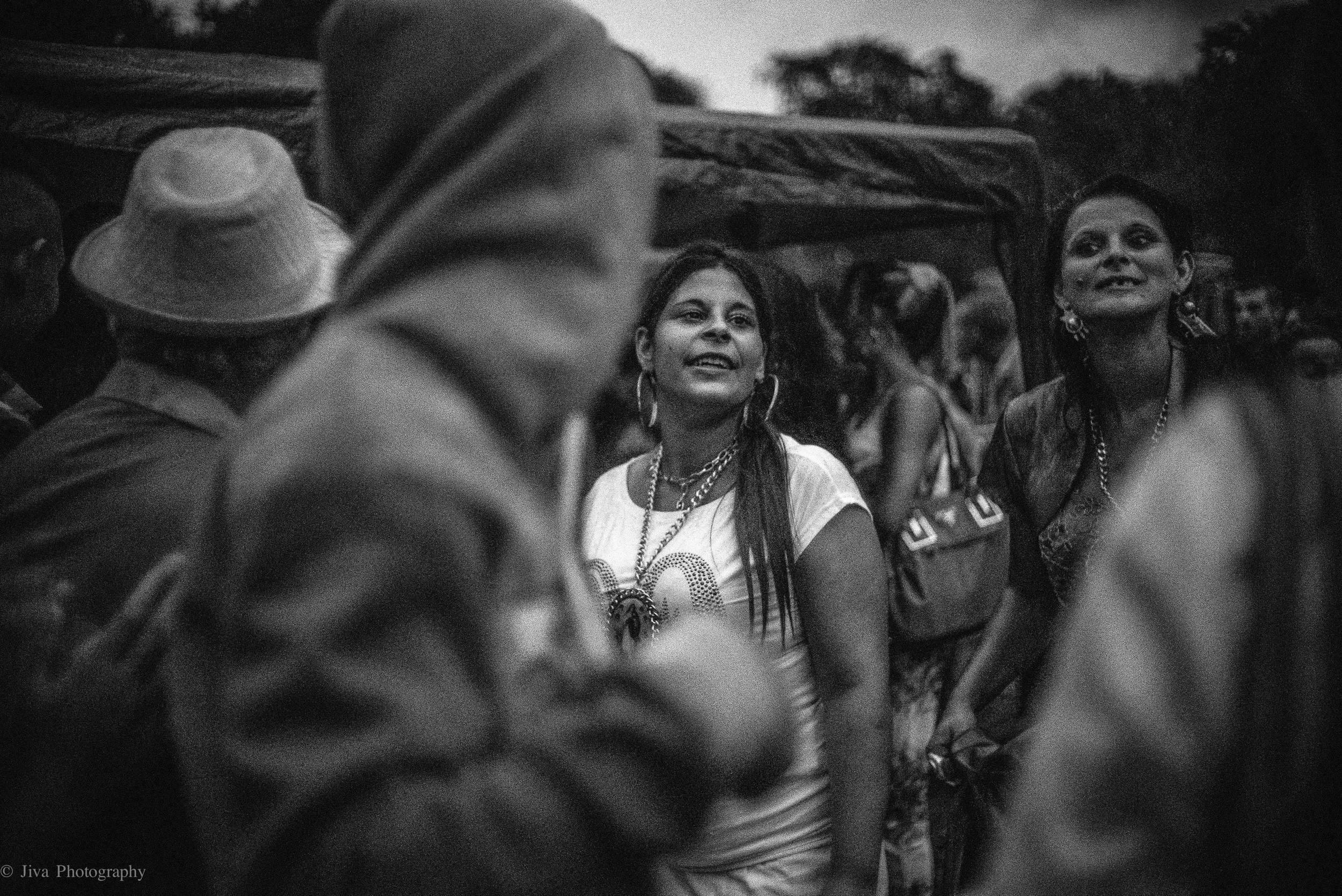
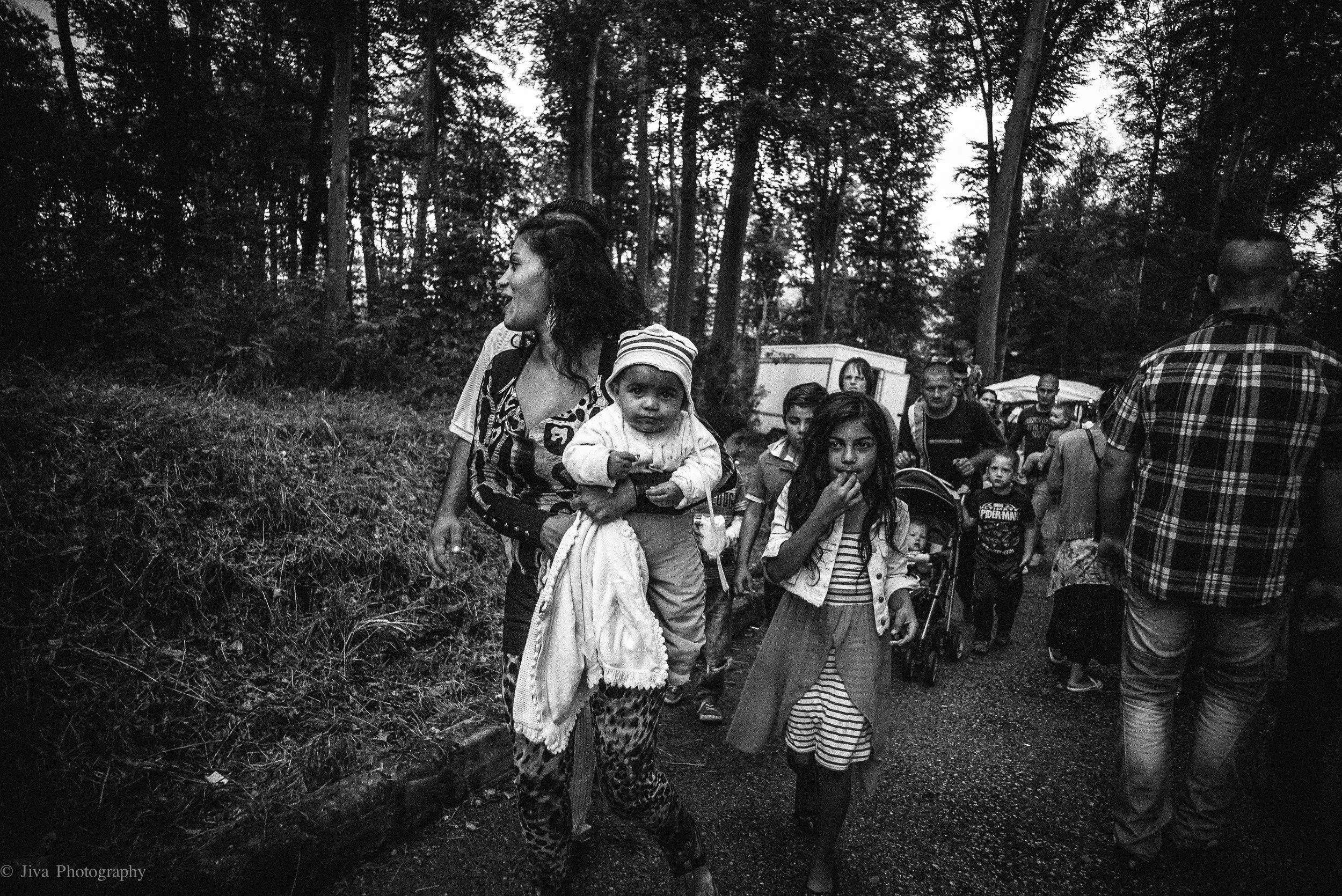
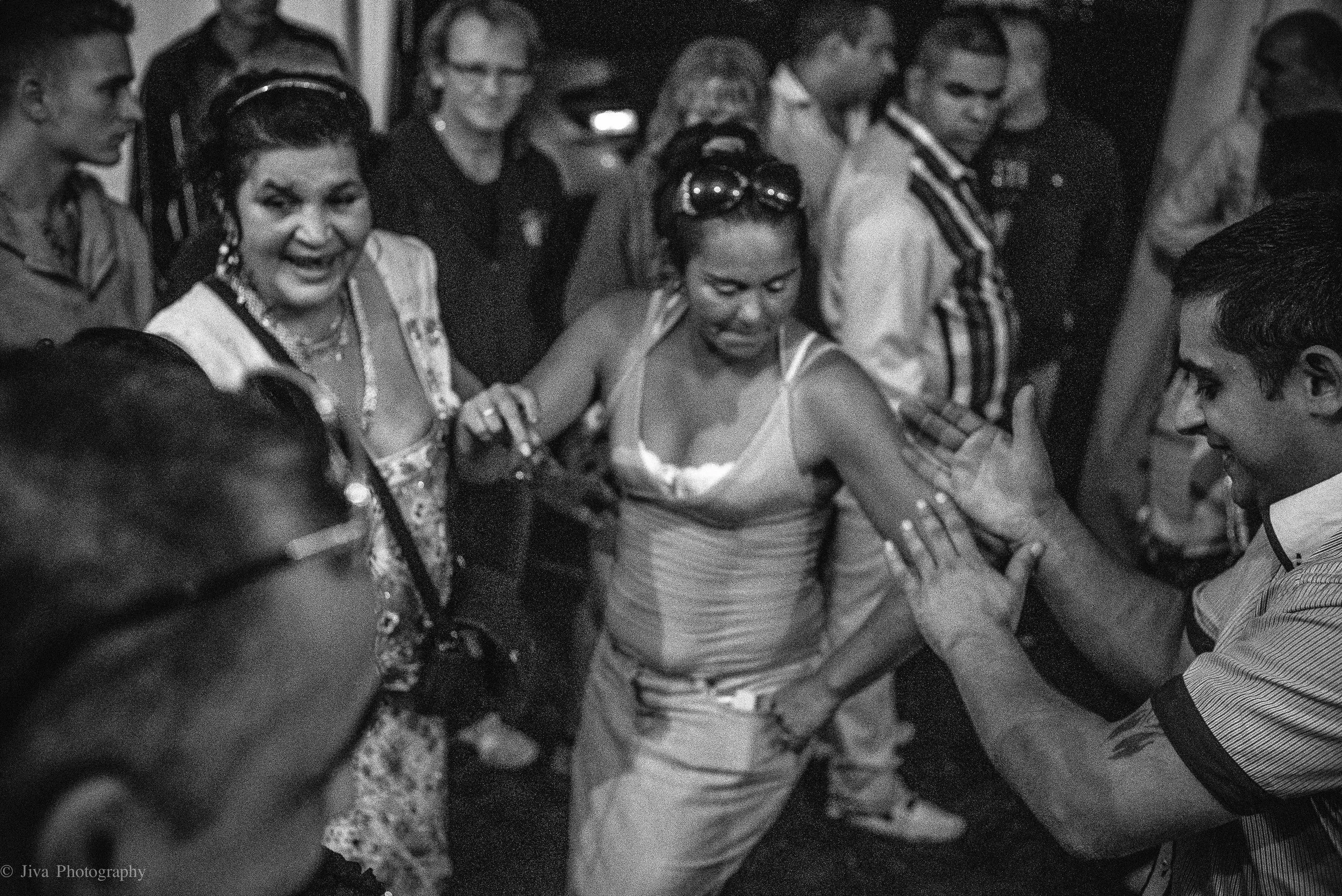
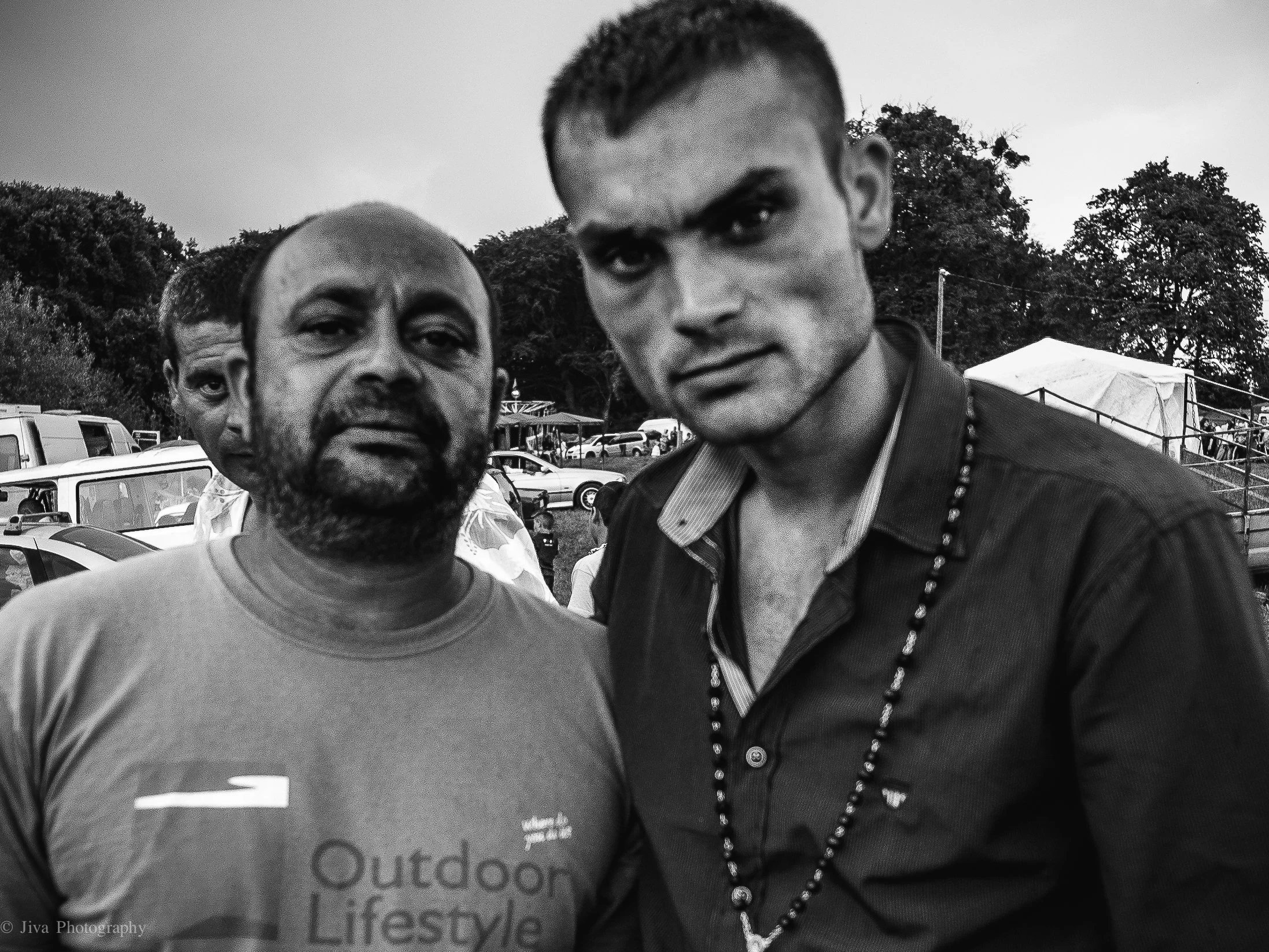
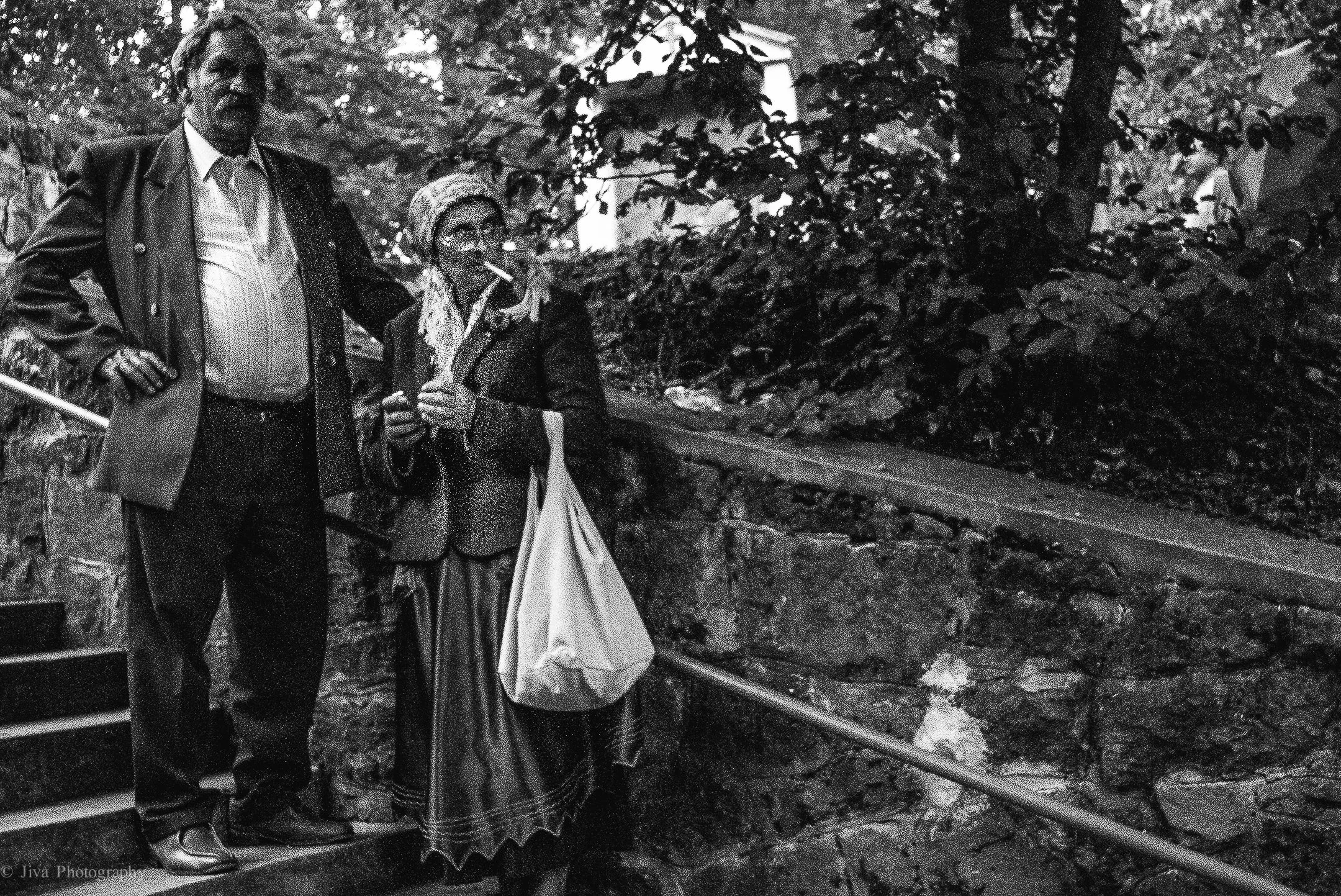
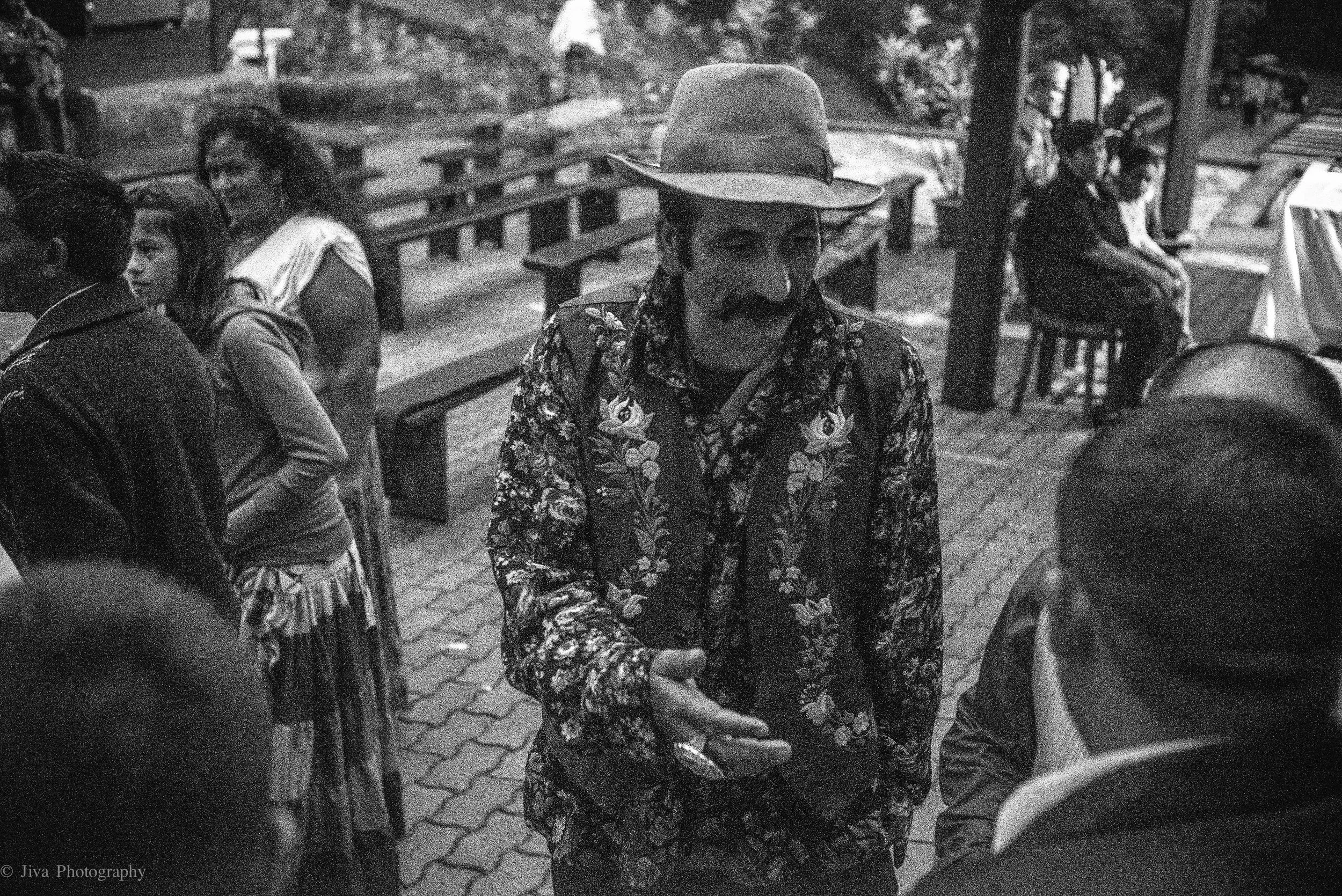
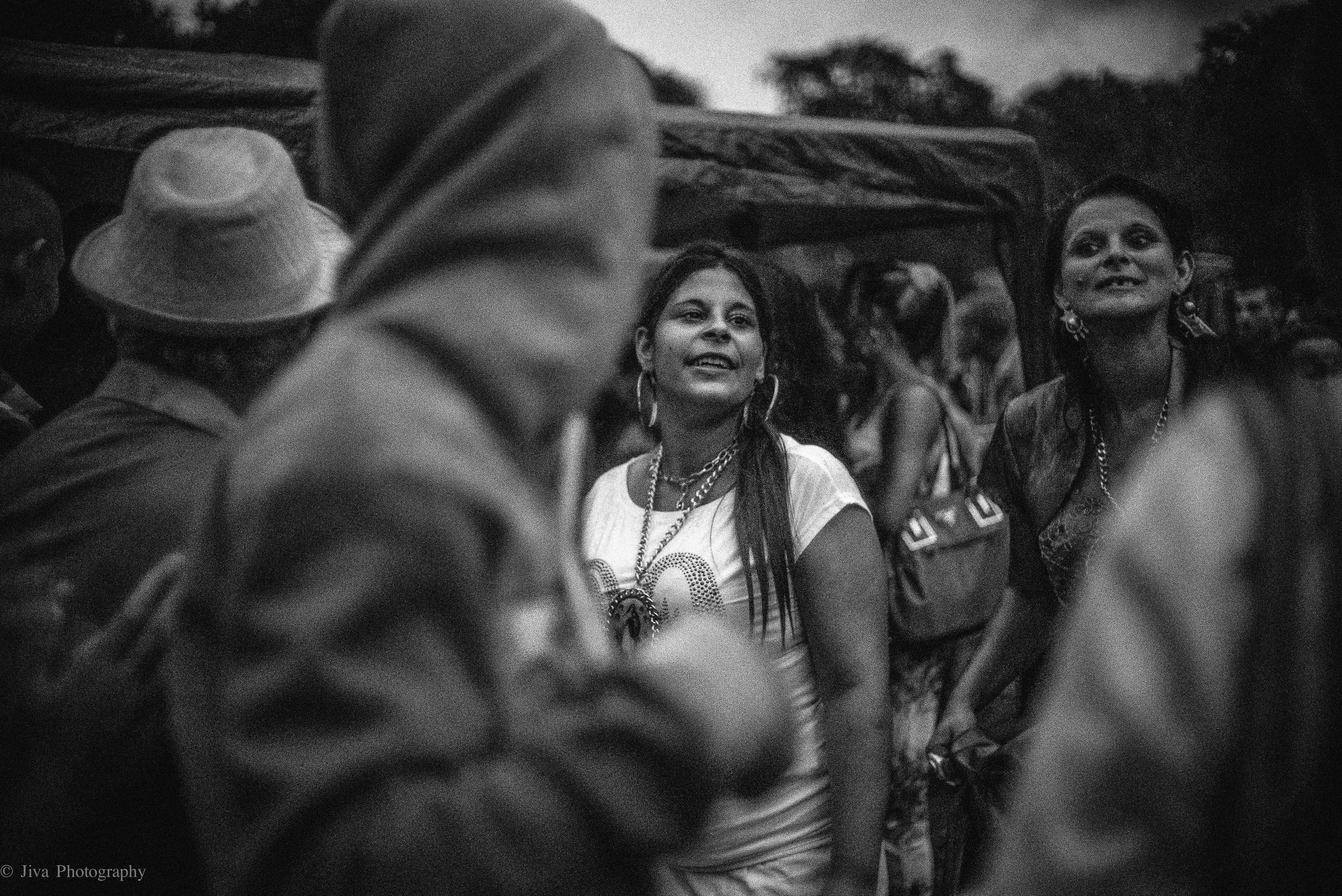
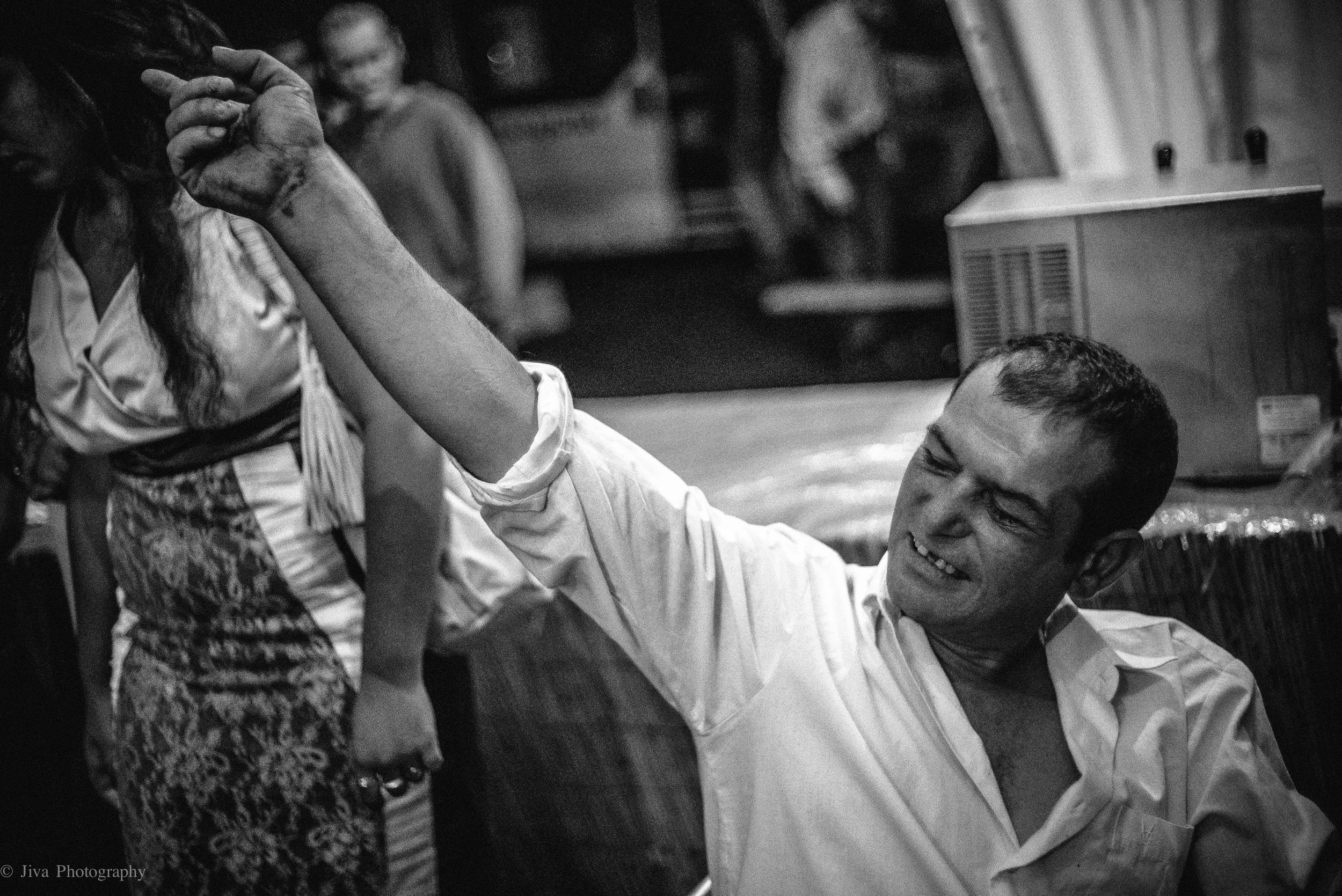
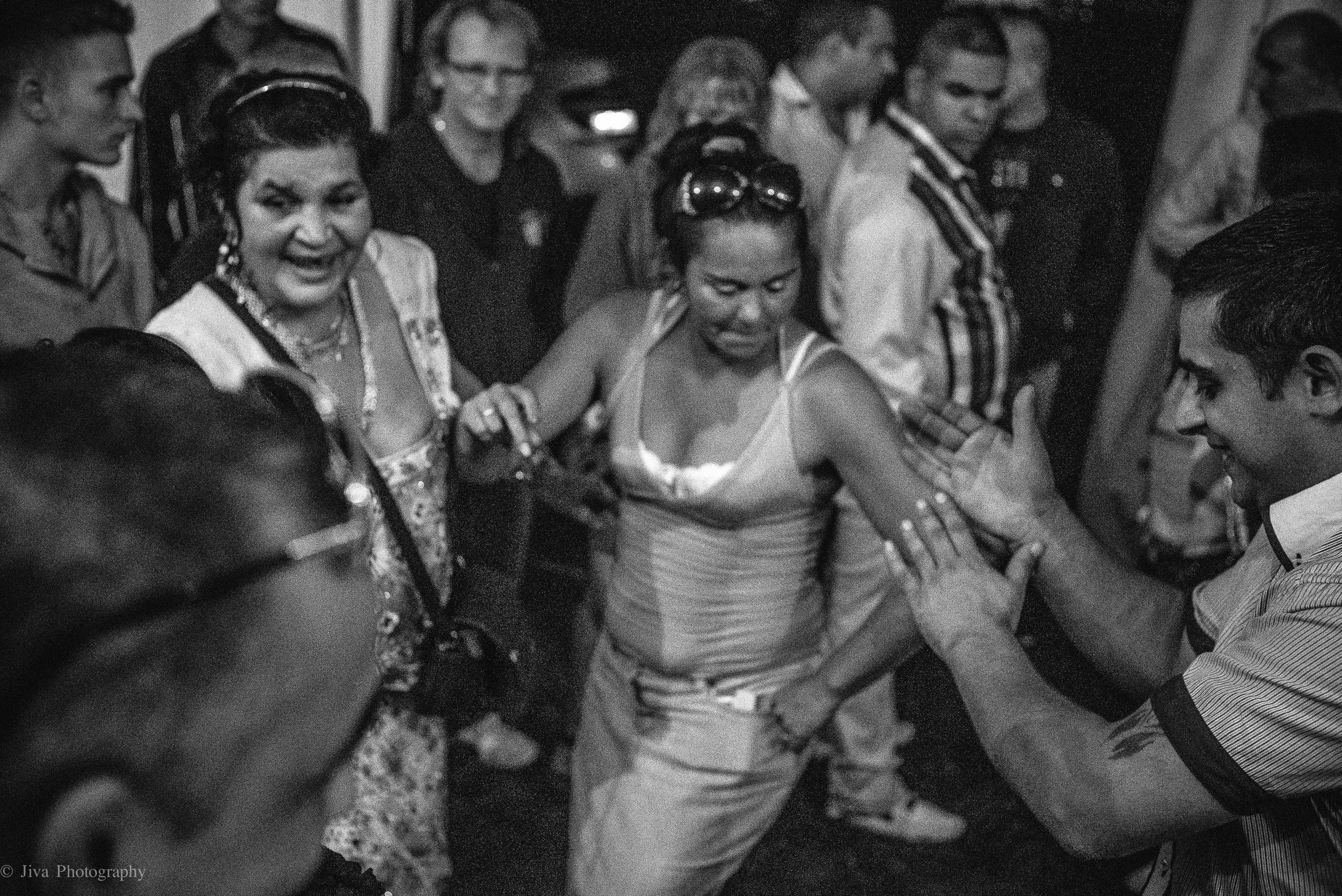
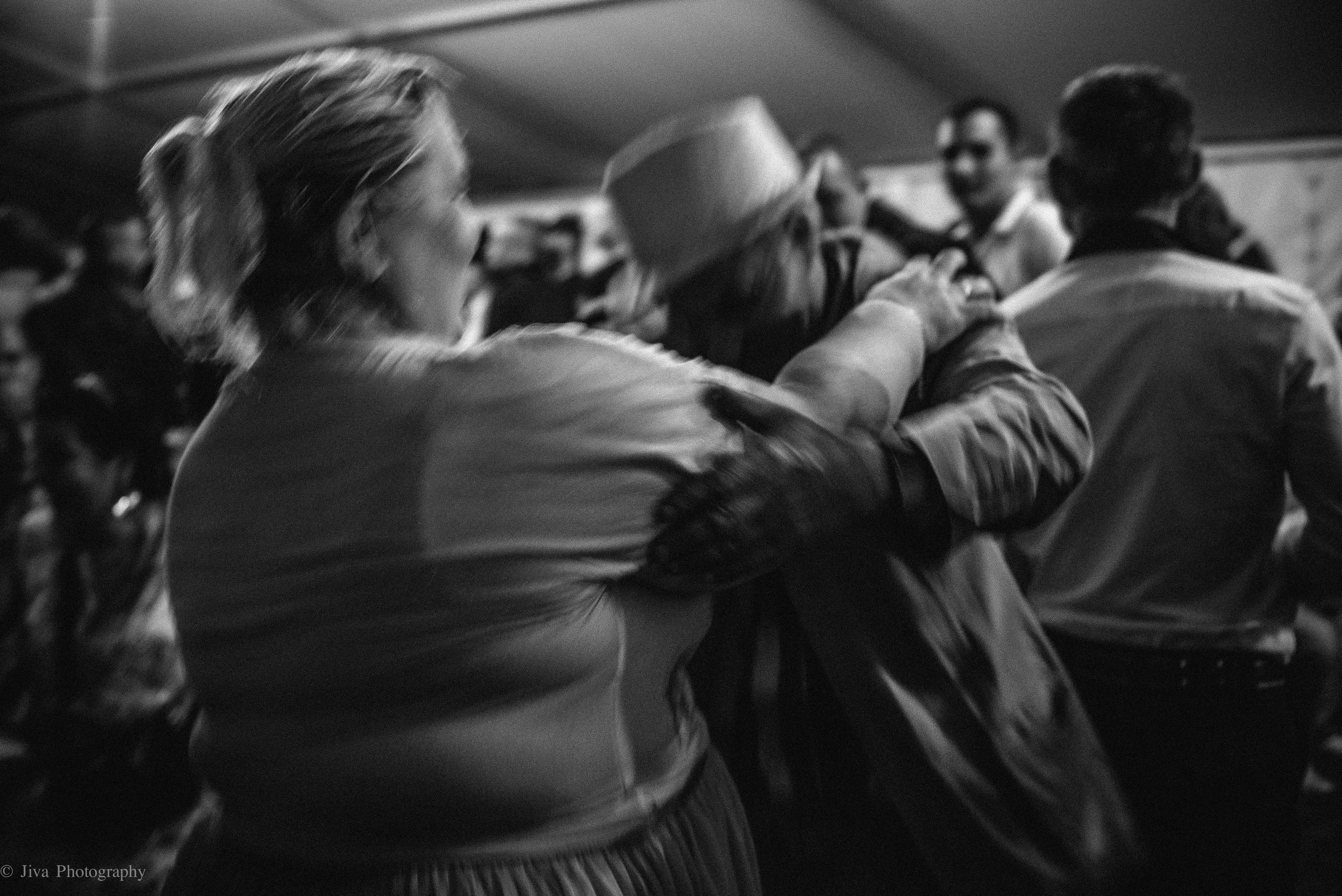
The annual pilgrimage of the Hungarian Roma to Csatka is a vibrant cultural and spiritual event that attracts many participants, highlighting the rich traditions and communal bonds of the Romani people. Csatka is known for its significant Romani community and has become a pilgrimage site, particularly for those who follow the traditions of the Hungarian Roma.
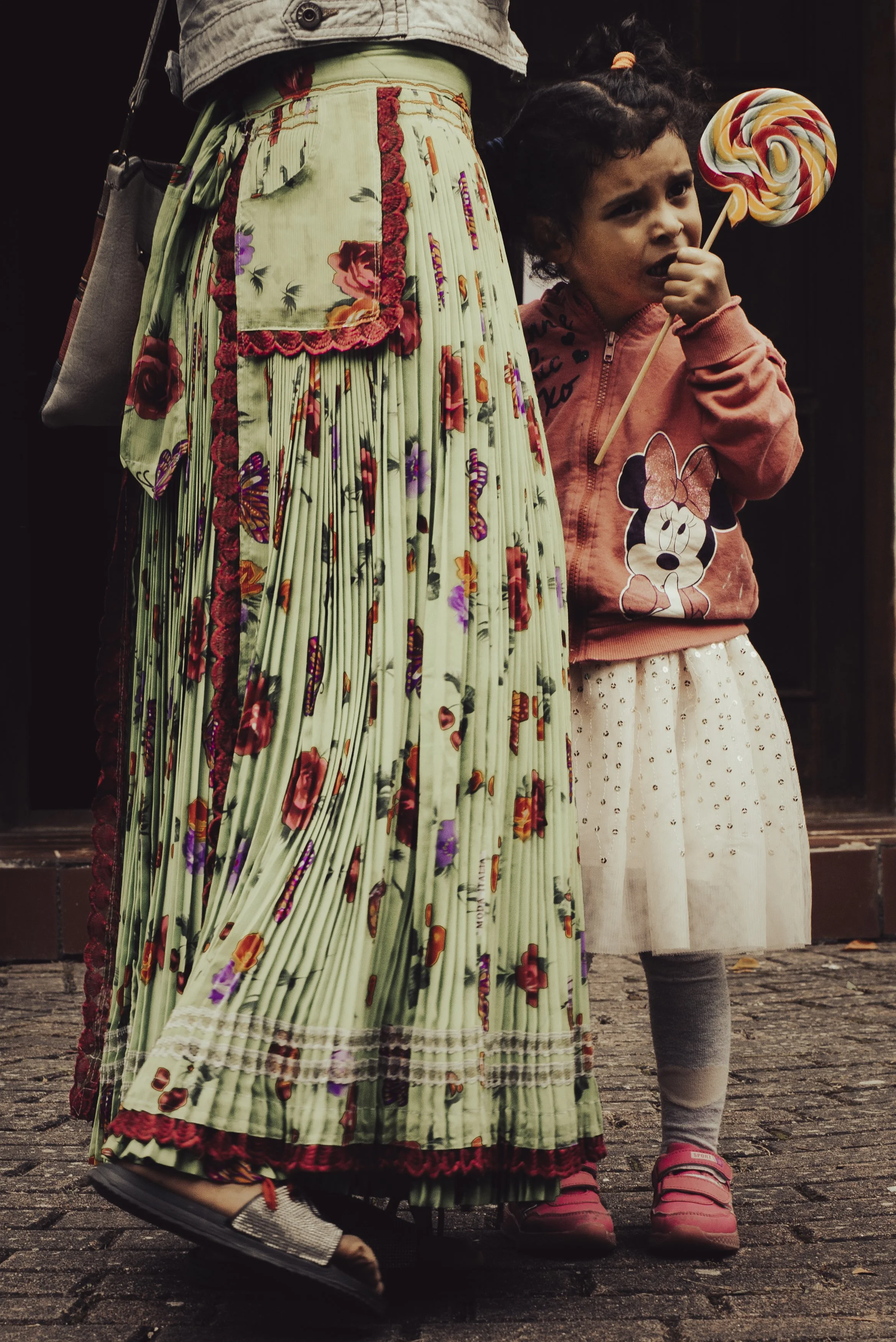
Typically held in the summer, this pilgrimage involves various ceremonies, prayers, and celebrations dedicated to the memory of the Roma's patron saint, often associated with cultural heritage and identity. The event also features music, dance, and traditional food, fostering a sense of togetherness among attendees. Participants often dress in traditional attire, showcasing the diverse styles within Romani culture.
In addition to the spiritual aspects, the Csatka pilgrimage serves as an important gathering for the Romani community, allowing individuals to connect, share experiences, and strengthen their cultural identity. It offers a space for the younger generation to learn about their heritage and the values important to the Romani people.